
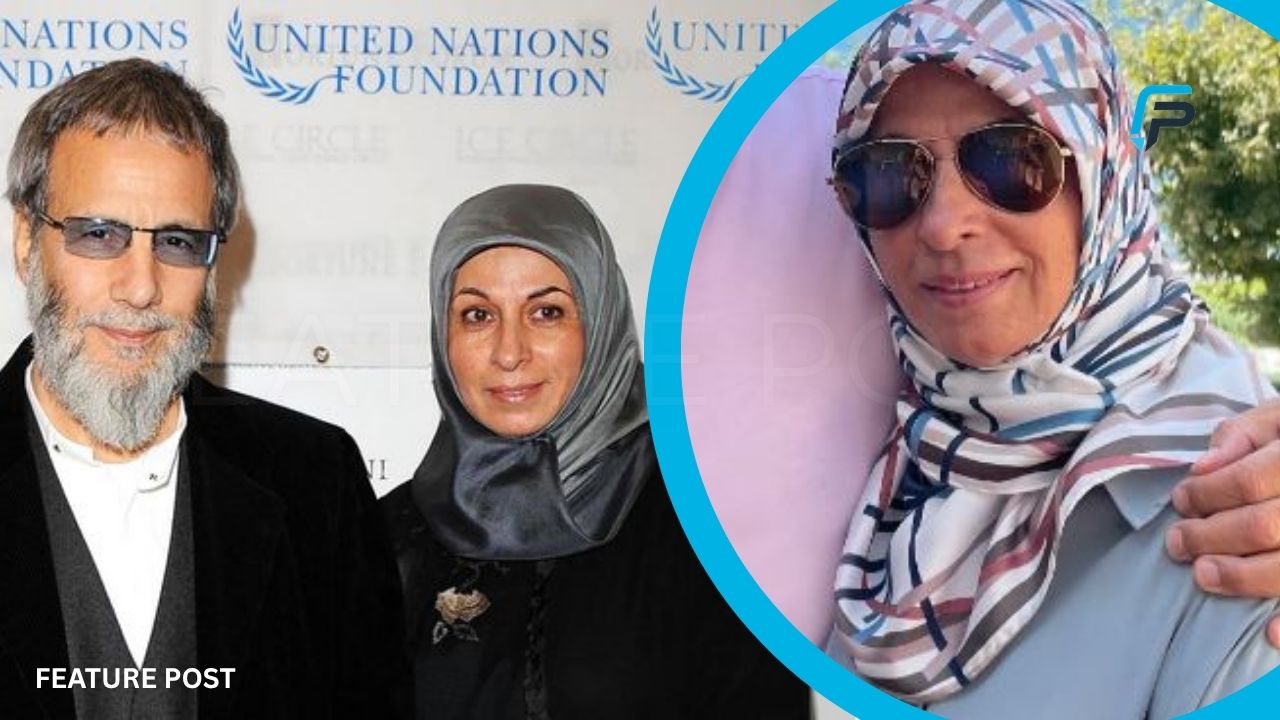
Fauzia Mubarak Ali has spent more than four decades as the wife of legendary singer-songwriter Cat Stevens, known today as Yusuf Islam, yet her own story remains largely untold. While her husband built a career defined by iconic music and a dramatic spiritual transformation, Fauzia chose a quieter path centered on faith, family, and humanitarian work. Their marriage in 1979 marked the beginning of a partnership that has weathered decades of public curiosity while remaining remarkably private and stable.
Many people search for Fauzia Mubarak Ali simply because of her connection to Cat Stevens, yet her own contributions to activism and charity deserve equal recognition. She built a meaningful life centered on shared values with her husband, raising six children while also pursuing her own humanitarian causes independently. Understanding her journey means looking beyond her famous husband and exploring her Pakistani roots, her steady presence throughout his spiritual transformation, and her advocacy work.
Quick Bio Fauzia Mubarak Ali
| Attribute | Details |
|---|---|
| Full Name | Fauzia Mubarak Ali |
| Famous As | Cat Stevens’ (Yusuf Islam’s) Wife |
| Date of Birth | March 24, 1958 |
| Birthplace | Karachi, Pakistan |
| Age | 68 years (as of 2026) |
| Nationality | Pakistani and British |
| Ethnicity | Pakistani/Arab |
| Religion | Islam |
| Profession | Human Rights Activist, Founder of HRAA |
| Husband | Cat Stevens (Yusuf Islam), born July 21, 1948 |
| Marriage Date | September 7, 1979 |
| Wedding Location | Regent’s Park Mosque, London |
| Children | Six (five surviving) — Hassana, Asmaa, Maymanah, Muhammad (Yoriyos), Amina |
| Charity Founded | Small Kindness |
| Current Residence | London, United Kingdom |
Early Life and Family Background
Fauzia Mubarak Ali was born on March 24, 1958, in Karachi, Pakistan, into a family with limited public information available about her upbringing. Details about her childhood remain scarce, as she has always guarded her personal history closely, avoiding interviews and public exposure throughout her adult life. Growing up in Karachi likely exposed her to a blend of traditional Pakistani values and the cultural diversity found within one of the country’s largest cities.
Her upbringing in Pakistan instilled a deep respect for family, faith, and community values that would later define her approach to marriage and activism throughout her life. Those familiar with her background describe someone who valued privacy and substance over public attention, even as her eventual marriage brought unexpected visibility into her otherwise quiet existence. This early grounding in tradition and faith prepared her for the significant life changes that would come after meeting her future husband years later…Read More Peter Buchignani Really
Life Before Meeting Cat Stevens
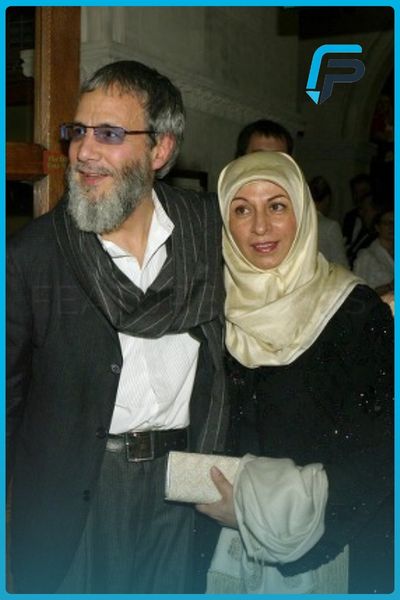
Before meeting Yusuf Islam, Fauzia Mubarak Ali lived a relatively ordinary life, with little indication that she would eventually marry one of Britain’s most famous musicians. Interestingly, when she first encountered her future husband, she reportedly knew little about his music career, having been more familiar with other artists like Elvis Presley during her youth. This lack of prior knowledge about his fame suggests that their eventual connection was based on shared values rather than any interest in celebrity or public recognition.
Fauzia’s background as the daughter of an accountant based in Surbiton, England, according to some reports, suggests she may have spent time in the United Kingdom before her marriage took place. This connection to England likely played a role in bringing her into contact with Yusuf Islam’s family and social circles during the late 1970s period. Her life before marriage reflected the same values of privacy and substance that would define her decades-long partnership with her husband afterward.
How She Met Yusuf Islam
According to most accounts, Fauzia Mubarak Ali and Yusuf Islam met through a traditional marriage arrangement, a common practice within Islamic culture and many South Asian communities. Reports suggest that Yusuf’s late mother, Ingrid Wickman, played a significant role in identifying Fauzia as a potential match for her son during this important period. This arrangement reflected the deep respect for family involvement in marriage decisions that remains common within many Islamic and South Asian traditions worldwide.
The timing of their meeting coincided with a significant period in Yusuf’s life, as he had recently converted to Islam and was actively rebuilding his identity around his newfound faith. This shared commitment to Islamic values likely strengthened their initial connection, providing common ground beyond typical romantic considerations that often define modern relationships. Fauzia’s own connection to Islamic tradition made her a natural match for Yusuf during this transformative period of his personal and spiritual journey.
Their Wedding at Regent’s Park Mosque
On September 7, 1979, Fauzia Mubarak Ali and Yusuf Islam exchanged vows in an intimate ceremony held at Regent’s Park Mosque in London, marking an important milestone. The wedding took place shortly after Yusuf had established several Muslim schools in London, reflecting his deep commitment to his newfound faith and community during that period. Guests who attended described the ceremony as modest, private, and deeply rooted in Islamic tradition, avoiding the extravagance often associated with celebrity weddings of that era.
The choice of Regent’s Park Mosque as their wedding venue held significant symbolic meaning, representing Yusuf’s complete embrace of Islam following his departure from mainstream popular music. This location choice demonstrated the couple’s shared commitment to building their life together around Islamic values and community, rather than the entertainment industry that had previously defined Yusuf’s public identity.
Supporting Her Husband’s Journey Through Faith
Throughout their marriage, Fauzia has remained a steady source of support for her husband as he navigated the significant challenges of his spiritual transformation and career changes. When Yusuf initially left the music industry following his conversion, choosing to focus entirely on his Islamic faith, Fauzia stood by him despite the uncertainty this decision created for their future together.
Fauzia’s role extended beyond simple emotional support, as she actively participated in her husband’s charitable and educational initiatives throughout their marriage, reinforcing their shared commitment to community service. Her presence provided stability during a period when many people questioned Yusuf’s dramatic life changes, offering him the confidence needed to fully commit to his new path without regret. This partnership model, built on mutual respect and shared purpose, has become a defining characteristic of their relationship throughout more than four decades together.
Life as a Mother to Six Children
Fauzia Mubarak Ali and Yusuf Islam welcomed six children together throughout their marriage, though they tragically lost one son in infancy, a loss that undoubtedly affected the family deeply. Their surviving children include four daughters, Hassana, Asmaa, Maymanah, and Amina, along with one son, Muhammad, who is also known professionally by his stage name Yoriyos. Raising six children while managing a household connected to public attention required significant dedication and organizational skill, qualities Fauzia has consistently demonstrated throughout her decades as a mother.
Her children have grown into accomplished adults, with Hassana working as a director within several of her father’s business ventures while residing in the United Arab Emirates with her own family. Asmaa pursued a career as a solicitor, building her professional life in London, while Muhammad followed his father’s musical path, eventually inspiring Yusuf’s own return to songwriting and performance. This diverse range of accomplishments among her children reflects the values of education, hard work, and personal fulfillment that Fauzia instilled throughout their upbringing.
Her Work as a Human Rights Activist
Beyond her role as a wife and mother, Fauzia Mubarak Ali has built her own independent legacy as a dedicated human rights activist focused on social justice issues. She founded the Human Rights Advocates Association, an organization committed to promoting social justice, women’s rights, and democratic values within Pakistan and the broader region. This work reflects her deep personal commitment to causes beyond her family life, demonstrating that her identity extends well beyond simply being known as Cat Stevens’ wife.
Fauzia’s commitment to human rights work demonstrates a lifelong dedication to causes larger than herself, reflecting values she likely developed during her upbringing in Karachi decades earlier. Her advocacy work often intersects with broader themes of peace and social justice that her husband has also championed throughout his career as a musician and community leader. This shared commitment to humanitarian causes has strengthened their partnership, creating a marriage built on mutual purpose rather than simply personal or romantic considerations alone.
Founding the Small Kindness Charity
Together with her husband, Fauzia Mubarak Ali co-founded Small Kindness, a charitable organization dedicated to addressing the root causes of terrorism and extremism through humanitarian aid and education. This charitable venture reflects the couple’s shared commitment to using their platform and resources for meaningful humanitarian work rather than personal gain or continued celebrity status alone. Small Kindness focuses on supporting vulnerable communities affected by conflict, providing resources and support aimed at reducing the conditions that often contribute to extremism and violence within affected regions.
The founding of Small Kindness demonstrates how Fauzia and her husband have channeled their resources and influence toward addressing significant global challenges rather than simply enjoying their considerable wealth privately. This charitable initiative reflects their shared belief that meaningful change requires practical action, moving beyond simple charitable donations toward sustained, thoughtful humanitarian intervention in affected communities.
Her Role in Cat Stevens’ Return to Music
Fauzia played an important, though often understated, role in her husband’s eventual return to music after years away from the industry following his religious conversion decades earlier. When their son Muhammad began showing interest in music and songwriting, it reportedly sparked something within Yusuf, encouraging him to reconsider his relationship with music after years of deliberate abstinence from the industry. Fauzia supported this gradual return, understanding that music could coexist with his deep Islamic faith when approached thoughtfully and with intentional, meaningful messaging.
As Yusuf gradually returned to songwriting and performance, Fauzia remained a steady presence, supporting his efforts to create music that reflected peace, faith, and positive messaging rather than his earlier secular themes. This transition required careful navigation, as Yusuf wanted to ensure his return to music remained consistent with his religious values and commitments to his Islamic community and family. Fauzia’s steady support throughout this process reflected the same partnership dynamic that had defined their marriage since the beginning, prioritizing shared values over external expectations or pressure. Their ability to navigate this significant career transition together demonstrates the strength and flexibility of their partnership throughout more than four decades of marriage and shared life.
Decades of Marriage and Private Life Together
Fauzia Mubarak Ali and Yusuf Islam have now spent more than four decades together, recently celebrating their forty-fifth wedding anniversary with a heartfelt message shared publicly by her husband. Their marriage has remained remarkably stable despite the pressures that often accompany public relationships within the entertainment industry, a testament to the strong foundation they built from the very beginning. Throughout their decades together, the couple has maintained a strong preference for privacy, choosing to keep most details about their relationship away from media scrutiny and public attention. This consistent approach to privacy has allowed them to build a genuine, lasting partnership grounded in shared faith, family values, and mutual respect throughout the years.
Their enduring marriage stands as a notable example within the entertainment industry, where lasting partnerships often prove challenging given the pressures of fame, public attention, and demanding career schedules. Fauzia’s steady, private nature has complemented her husband’s more public personality, creating a balanced partnership that has weathered significant life changes including career shifts, religious transformation, and raising six children together. Their continued commitment to one another, even as public curiosity about their relationship persists, demonstrates the strength of values-based partnerships built on shared faith rather than simply romantic attraction or convenience. This lasting bond continues inspiring those who learn about their remarkable, decades-long journey together as husband and wife.
Why People Are Curious About Fauzia Mubarak Ali
Public curiosity about Fauzia Mubarak Ali has grown significantly over the years, largely fueled by widespread interest in her husband’s dramatic transformation from pop icon to devoted Islamic community leader. Fans researching Yusuf Islam’s personal history often encounter her name, sparking questions about the woman who has remained by his side throughout every major life transition he has experienced. Her role in supporting his spiritual journey, combined with her own independent activism work, creates natural intrigue among those interested in stories of faith, transformation, and lasting partnership within challenging circumstances. This combination of factors continues drawing attention to her otherwise private life and personal history.
Additionally, Fauzia’s own accomplishments as a human rights activist and charity founder add meaningful depth to her story beyond simply being recognized as a celebrity spouse or partner. People interested in humanitarian work, Islamic culture, and stories of lasting partnership often find her journey particularly compelling, given her balanced approach to family life, activism, and unwavering personal privacy throughout the decades. Her decades of quiet dedication to both her family and her humanitarian causes resonate with audiences who appreciate substance over spectacle in public figures and their spouses. This combination of personal achievement and steadfast support explains why so many people continue searching for information about Fauzia Mubarak Ali even today…Explore more Carlos Alman
Conclusion
Fauzia Mubarak Ali’s story represents far more than simply being known as Cat Stevens’ wife, revealing a life built on faith, resilience, and genuine commitment to humanitarian causes worldwide. Her journey from Karachi to London, and through decades of supporting her husband’s remarkable spiritual and professional transformation, demonstrates strength and steadiness that deserves genuine recognition and respect. The causes she has championed, from human rights advocacy to co-founding Small Kindness, reveal a woman deeply committed to making a positive difference beyond her role within her marriage and family life. Her preference for privacy throughout her life speaks to her character, choosing substance and meaningful action over spotlight and celebrity attention.
As Yusuf Islam continues his musical career and community work, Fauzia remains a steady, supportive presence behind the scenes of his continued success and personal fulfillment. Their more than four decades of marriage serve as a powerful reminder that lasting partnerships often thrive on shared values, mutual respect, and genuine commitment rather than public attention or celebrity status alone. Fans who admire Yusuf Islam’s music and personal journey now have a fuller understanding of the woman who has supported him throughout every significant transition in his remarkable life. Fauzia Mubarak Ali’s legacy ultimately lives on through her family, her activism, and the quiet strength she has shown throughout decades of devoted partnership.
Frequently Asked Questions
Who is Fauzia Mubarak Ali? She is a human rights activist and the wife of musician Cat Stevens, known today as Yusuf Islam.
When did Fauzia Mubarak Ali marry Cat Stevens? They married on September 7, 1979, at Regent’s Park Mosque in London.
How did Fauzia Mubarak Ali and Yusuf Islam meet? They met through a traditional marriage arrangement common in Islamic culture.
How many children does Fauzia Mubarak Ali have? She has five surviving children, having lost one son in infancy.
What charity did Fauzia Mubarak Ali found? She co-founded Small Kindness, a charity addressing the root causes of extremism.
Where was Fauzia Mubarak Ali born? She was born on March 24, 1958, in Karachi, Pakistan.
What organization does Fauzia Mubarak Ali lead? She founded the Human Rights Advocates Association, focused on social justice in Pakistan.
How long have Fauzia Mubarak Ali and Yusuf Islam been married? They have been married for more than 45 years as of 2026.
Stay More Update FEATUREPOSTS