
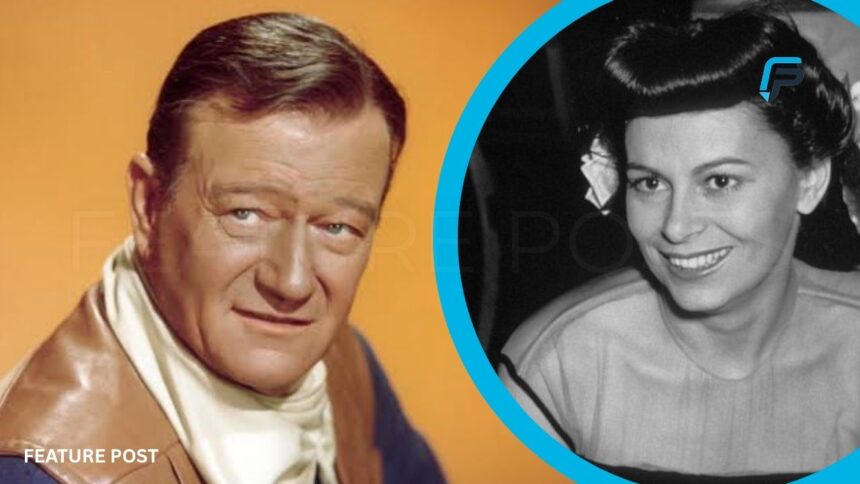
Long before John Wayne became the face of American cinema, a quiet, graceful woman named Josephine Saenz stood beside him during his earliest and most uncertain years. She was not a Hollywood star herself, yet her presence shaped the man who would later be known as “the Duke.” Josephine’s story rarely gets the spotlight it deserves, overshadowed by her husband’s larger-than-life legacy.
Understanding Josephine Wayne means understanding the private side of a public legend. She came from a respected family, carried strong personal values, and built a life that extended well beyond her marriage. Her journey through love, motherhood, heartbreak, and quiet resilience offers a deeply human counterpart to the myth of John Wayne. This piece explores her early life, her marriage, her children, and the legacy she left behind, giving readers a fuller, more accurate picture of the woman history often forgets.
Quick Bio Josephine Wayne
| # | Attribute | Detail |
|---|---|---|
| 1 | Full Name | Josephine Alicia Saenz |
| 2 | Also Known As | Josephine Wayne, “Josie” |
| 3 | Date of Birth | May 13, 1908 |
| 4 | Place of Birth | Los Angeles, California, USA |
| 5 | Nationality | American |
| 6 | Father | José Saenz (Panamanian diplomat) |
| 7 | Mother | Alicia Saenz |
| 8 | Religion | Roman Catholic |
| 9 | Spouse | John Wayne (m. June 24, 1933 – div. 1945) |
| 10 | Second Marriage | Cyril Nigg |
| 11 | Children | Michael Wayne, Toni Wayne LaCava, Patrick Wayne, Melinda Wayne Munoz |
| 12 | Number of Children | 4 |
| 13 | Known For | First wife of Hollywood legend John Wayne |
| 14 | Occupation | Socialite, Philanthropist |
| 15 | Later Life | Remained active in Catholic charity work in Los Angeles |
Early Life and Family Background
Josephine Alicia Saenz was born in 1908 into a family that carried real social standing in Los Angeles. Her father worked as a diplomat, which meant Josephine grew up around formal manners, cultural expectations, and a strong sense of tradition. This upbringing shaped her into a composed, dignified young woman long before she ever met John Wayne. Unlike many figures who later entered Hollywood circles, Josephine did not chase fame or attention. Her family valued discretion and reputation, and she absorbed those values early.
Her family’s status gave Josephine access to elite social circles in Southern California, something that would eventually intersect with Wayne’s early ambitions. She attended good schools, practiced her Catholic faith devoutly, and developed the kind of quiet confidence often associated with old-money families. Friends described her as intelligent, thoughtful, and unusually mature for her age. These qualities made her stand out among her peers. When she eventually crossed paths with a tall, athletic young football player named Marion Morrison, few could have predicted how significant that meeting would become for both of their futures…Read more Georg Stanford Brown
Josephine Saenz’s Upbringing in Los Angeles
Growing up in Los Angeles during the early twentieth century meant Josephine witnessed the city’s transformation into a cultural and entertainment hub. Her family’s diplomatic ties placed her at social events attended by prominent business figures, community leaders, and occasionally, rising entertainment personalities. This exposure gave her comfort navigating high-society settings, a skill that later proved useful as her husband’s fame grew. She balanced her privileged background with genuine humility, something people who knew her often mentioned.
Despite the glamour surrounding her family’s connections, Josephine avoided the spotlight whenever possible. She preferred meaningful relationships over public attention, a trait that distinguished her from many socialites of her era. Her education emphasized etiquette, language, and cultural literacy, preparing her for a life of influence rather than performance. This upbringing built resilience she would need later, particularly when her marriage brought unexpected pressure. Los Angeles shaped her identity, yet she never let the city’s growing entertainment culture define her values.
How Josephine Met John Wayne
Josephine met the man who would become John Wayne while he was still known as Marion Morrison, a University of Southern California football player. Their introduction happened through mutual social circles, and accounts suggest sparks appeared almost immediately. Marion’s charm, height, and easygoing confidence caught Josephine’s attention, even though their backgrounds differed significantly. She came from a formal, diplomatic household, while he grew up in a modest Midwestern family before relocating to California. Despite these differences, the two found common ground quickly.
Their meeting occurred during a period when Marion was beginning to explore opportunities in the film industry through his football connections. Josephine’s family initially viewed the relationship cautiously, given the uncertain nature of an acting career at the time. Still, the couple continued seeing each other, allowing their bond to strengthen gradually. Josephine’s calm, steady personality complemented Marion’s ambitious, energetic nature. Friends of the couple later noted how naturally they balanced each other during those formative years. This early dynamic set the tone for a relationship that would eventually lead to a long engagement and a much-publicized Hollywood marriage.
Their Courtship and Engagement Story
The courtship between Josephine and the man soon known professionally as John Wayne stretched across several years, largely due to her family’s hesitations. Josephine’s parents wanted assurance that their daughter’s future partner could provide stability, something difficult to guarantee in the unpredictable early film industry. Despite this, the couple remained committed, communicating regularly and building a relationship rooted in patience. Wayne’s growing career slowly eased some of the family’s concerns, though tension remained a consistent undertone throughout their courtship.
Their engagement eventually became public knowledge within their social circles, generating excitement among friends and family members who had watched the relationship evolve over time. Josephine’s Catholic upbringing meant the couple approached marriage with seriousness and traditional values. Wedding planning combined elements of Josephine’s diplomatic family background with the more modest expectations of Wayne’s upbringing. The engagement period allowed both families to adjust to the idea of a union between two very different worlds. When the wedding date finally arrived, it symbolized years of patience, negotiation, and genuine affection between two people determined to build a life together.
Marriage to John Wayne
Josephine and John Wayne married on June 24, 1933, in a ceremony reflecting both elegance and Catholic tradition. The wedding brought together Josephine’s prominent family and Wayne’s growing circle of Hollywood colleagues, blending two very different social worlds. At the time, Wayne’s acting career remained modest, though steadily improving thanks to consistent film roles. Josephine embraced her new role with grace, supporting her husband’s ambitions while maintaining her own strong sense of identity.
As Wayne’s fame increased throughout the 1930s, the demands on their marriage grew correspondingly heavier. Long filming schedules, frequent travel, and the pressures of an emerging public image tested their relationship consistently. Josephine remained devoted to her family responsibilities, managing their household while Wayne pursued increasingly prominent roles. Their marriage produced genuine affection, yet underlying tension slowly developed due to career-related absences and lifestyle differences. Despite these strains, the couple maintained a public image of stability for years, presenting themselves as a strong Hollywood family even as private challenges quietly accumulated beneath the surface.
Life as a Hollywood Wife
Being married to an increasingly famous actor placed Josephine in a demanding and often overlooked role. She managed household responsibilities, raised young children, and maintained social obligations tied to her husband’s growing career. Unlike many spouses of major stars, Josephine avoided seeking personal fame, choosing instead to focus on family stability and community involvement. Her Catholic faith continued guiding her daily decisions, reinforcing her commitment to traditional family values even as Hollywood culture around her evolved rapidly.
The pressures of Hollywood life extended beyond public appearances, often affecting personal relationships behind closed doors. Josephine navigated rumors, media attention, and the unpredictable nature of her husband’s demanding schedule with remarkable patience. She prioritized her children’s upbringing, ensuring stability despite the chaotic environment surrounding their household. Friends often described her as dignified under pressure, rarely allowing external scrutiny to affect her demeanor publicly. This steady approach helped maintain a sense of normalcy for her family, even as Wayne’s career trajectory placed increasing strain on their marriage throughout the following years.
Children of Josephine and John Wayne
Josephine and John Wayne welcomed four children during their marriage: Michael, Toni, Patrick, and Melinda. Each child grew up witnessing both the privileges and pressures associated with having a famous father. Josephine took primary responsibility for their upbringing, instilling values rooted in her Catholic faith and disciplined household structure. Despite Wayne’s demanding career, Josephine ensured their children received consistent guidance, education, and emotional support. Her steady presence became especially important as Wayne’s professional obligations frequently kept him away from home for extended periods, placing much of the parenting responsibility directly on Josephine’s shoulders throughout their marriage.
As the children grew older, some pursued careers connected to their father’s industry, particularly Michael and Patrick, who became involved in filmmaking and acting respectively. Josephine’s influence remained evident in their upbringing, emphasizing responsibility, humility, and strong family bonds despite their famous surname. She maintained close relationships with her children even after her marriage to Wayne ended, ensuring they experienced continued emotional support.
Reasons Behind Their Divorce
Despite years of shared history, Josephine and John Wayne’s marriage eventually deteriorated under mounting pressures. Wayne’s demanding filming schedule kept him away from home frequently, creating emotional distance between the couple over time. Additionally, reports suggest Wayne’s personal choices during this period placed additional strain on their relationship, further complicating their ability to maintain stability. Josephine, a devout Catholic, approached these challenges with patience, reportedly seeking guidance to help address issues within their marriage. However, the combination of career pressures, lifestyle differences, and accumulating personal conflicts eventually made reconciliation increasingly difficult for both parties involved.
By the mid-1940s, the couple separated, ultimately finalizing their divorce in 1945 after twelve years of marriage. The separation marked a significant turning point for both individuals, particularly given the public attention surrounding Wayne’s growing Hollywood status. Josephine handled the transition with dignity, prioritizing her children’s stability throughout the difficult process. Rather than engaging publicly in disputes, she focused on maintaining normalcy for her family during an emotionally challenging period. Her composed response to the divorce reflected the same resilience and grace she demonstrated throughout their marriage, reinforcing her reputation as a steady, dependable presence.
Josephine Wayne’s Life After the Divorce
Following her divorce from John Wayne, Josephine focused significant energy on raising her four children while maintaining her personal independence. She continued participating actively in Catholic community initiatives, dedicating time toward charitable work throughout Los Angeles. This commitment reflected values she carried since childhood, reinforcing her identity beyond her previous marriage. Josephine later remarried, choosing to build a new chapter of personal life while remaining connected to her children’s upbringing. Her post-divorce years demonstrated resilience, showing she could establish a fulfilling life independent from the intense public attention associated with her former husband’s career.
Josephine’s post-marriage life also highlighted her ability to adapt gracefully despite significant personal changes. She remained a respected figure within her social and religious communities, earning admiration for her charitable contributions and steady character. Unlike many public figures who fade from relevance after high-profile divorces, Josephine maintained meaningful relationships and continued influencing those around her positively. Her ability to move forward without bitterness reflected genuine personal strength. This chapter of her life reinforced that her identity extended well beyond being simply known as John Wayne’s first wife, proving her individual significance.
Her Relationship With Her Children Later in Life
As her children grew into adulthood, Josephine maintained close, meaningful relationships with each of them despite the earlier disruption caused by her divorce. She remained actively involved in significant family milestones, including weddings, career achievements, and eventually, the arrival of grandchildren. Her consistent presence provided stability that helped her children navigate their own lives successfully, particularly given their unique upbringing within a famous family. Josephine’s dedication to maintaining these bonds demonstrated her prioritization of family connection over external pressures or public perception, reinforcing her role as a devoted, lifelong maternal figure.
Family gatherings often included Josephine well into her later years, reflecting the strong emotional foundation she built during her children’s upbringing. Her relationship with Patrick and Michael, in particular, remained notably strong given their involvement within the entertainment industry. Josephine’s continued presence offered grounding influence, helping her children balance personal identity against public expectations tied to their father’s fame. This enduring connection highlighted her lasting impact, proving that her influence extended far beyond childhood years. Her legacy as a devoted mother remained evident throughout her children’s adult lives and professional accomplishments.
Josephine Wayne’s Legacy and Public Memory
Although often overshadowed by her famous husband, Josephine Wayne’s legacy carries genuine significance within Hollywood history. Her steady character, devotion to family, and quiet resilience offer valuable insight into the personal sacrifices often hidden behind public success stories. Historians and biographers researching John Wayne’s early life frequently highlight Josephine’s influence, recognizing her role in shaping his personal foundation during his rise to fame. Her story serves as an important reminder that behind every iconic figure exists a deeply human narrative filled with complexity, sacrifice, and personal growth that deserves recognition beyond simplified public narratives.
Josephine’s legacy also lives on through her children’s accomplishments, particularly given Michael and Patrick’s continued involvement within the entertainment industry. Her values, discipline, and unwavering commitment to family continue influencing generations connected to the Wayne family name. Public memory often focuses primarily on John Wayne’s cinematic achievements, yet Josephine’s contributions remain equally important when examining his personal history accurately. Her story, once overlooked, increasingly receives recognition among biographers and Hollywood historians seeking a fuller understanding of the people who shaped America’s most recognizable film icons…Explore more Marilisa Maronesse
Conclusion
Josephine Wayne’s story represents far more than a footnote within John Wayne’s celebrated career. Her resilience, grace, and unwavering commitment to family reveal a woman who navigated significant personal challenges while maintaining dignity throughout difficult circumstances. From her privileged upbringing to her enduring role as a devoted mother, Josephine’s journey highlights strength often overlooked within traditional Hollywood narratives focused primarily on fame and success.
By examining Josephine’s life closely, readers gain a more complete understanding of the personal sacrifices behind Hollywood’s golden age. Her legacy continues through her children’s achievements and the values she instilled throughout their upbringing. Josephine Wayne deserves recognition not merely as John Wayne’s first wife, but as an individual whose quiet strength shaped an important chapter of American cinematic history.
Frequently Asked Questions
Who was Josephine Wayne?
Josephine Wayne, born Josephine Alicia Saenz, was the first wife of legendary actor John Wayne.
When did Josephine and John Wayne marry?
They married on June 24, 1933.
How many children did they have?
They had four children: Michael, Toni, Patrick, and Melinda.
Why did Josephine and John Wayne divorce?
Career pressures, frequent absences, and personal conflicts led to their divorce, finalized in 1945.
Did Josephine remarry after her divorce?
Yes, she remarried and continued building an independent personal life.
What was Josephine known for besides her marriage?
She was known for her charitable work and involvement in Catholic community initiatives.
Did Josephine remain close to her children?
Yes, she maintained strong, lifelong relationships with all four of her children.
Why does Josephine Wayne matter in Hollywood history?
She played a foundational role in John Wayne’s personal life during his rise to fame.
Stay More Update FEATURE POSTS