
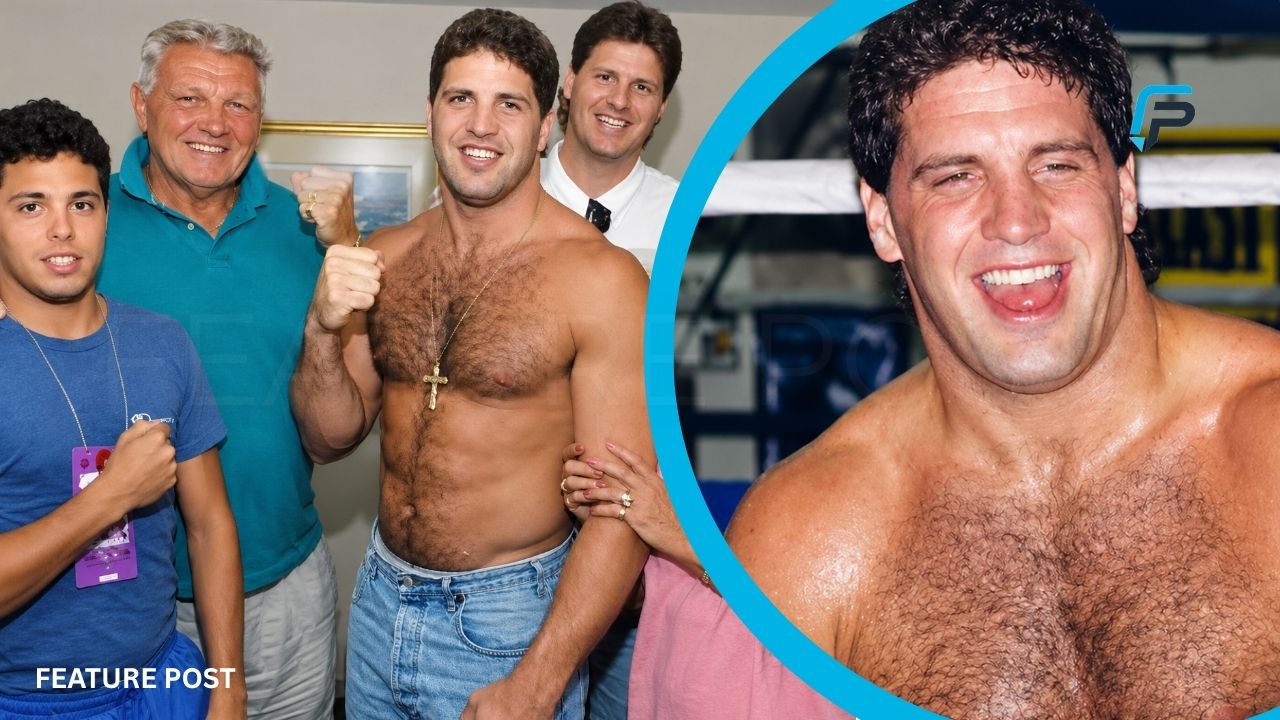
Few boxing nights are remembered as loudly as the one that put Peter McNeeley in the ring with Mike Tyson. The Medford fighter walked into the MGM Grand in August 1995 as a confident Boston Irishman with a bold nickname and an even bolder attitude. Fans still talk about that fight, yet McNeeley’s story stretches far beyond eighty-nine seconds.
This guide walks you through his early life, Irish American roots, professional journey, the Tyson bout, the public reaction and his life after the ring. Whether you follow boxing closely or only remember the headlines, you will find the full picture here in plain language.
Quick Bio Peter McNeeley
| Detail | Information |
|---|---|
| Full Name | Peter McNeeley |
| Nickname | The Hurricane |
| Date of Birth | November 23, 1968 |
| Birthplace | Medford, Massachusetts, USA |
| Nationality | American |
| Ethnic Background | Irish American |
| Profession | Professional Boxer |
| Weight Division | Heavyweight |
| Stance | Orthodox |
| Height | Approximately 6 ft 1 in (185 cm) |
| Manager | Vinny Vecchione |
| Record Before Tyson Fight | 36 wins, 1 loss |
| Most Famous Fight | Mike Tyson vs Peter McNeeley |
| Fight Date and Venue | August 19, 1995, MGM Grand, Las Vegas |
| Fight Result | Loss by disqualification in round 1 (89 seconds) |
Peter McNeeley Early Life in Medford Boston
Peter McNeeley was born on November 23, 1968, in Medford, Massachusetts, a working-class city just north of Boston. Growing up there meant growing up around sports talk, neighbourhood rivalries and a strong sense of community. Medford families tend to value toughness and loyalty, and young Peter absorbed both qualities early. He did not arrive in boxing as a polished amateur star with a famous pedigree. Instead, he developed his confidence on local streets and in local gyms, where fighters earned respect through effort rather than reputation.
Local Boston sports culture also played a part. The region has a long boxing tradition, and fans there respect fighters who show courage in the ring. McNeeley followed that path and pursued the heavyweight division, where size, power and nerve matter most. Reports describe him as an energetic and outspoken young man who enjoyed attention. That trait would help him later, because promoters love fighters who can sell a fight with words as well as punches..
Explore more Karla Souza’s
Irish American Roots and Family Background
McNeeley’s surname and heritage mark him as an Irish American, and he embraced that identity openly. Boston holds one of the largest Irish American communities in the United States, and its culture shapes music, politics and sport. Fans in the city often admire fighters who carry that heritage with pride. McNeeley understood this connection and used it to build a loyal following among local supporters. The Irish fighting tradition celebrates grit, humour and defiance, and he displayed all three whenever cameras turned his way.
Details about his immediate family remain limited in public sources, so this article avoids guessing about private matters. What the record does show is a man closely tied to his community and his roots. He spoke often about Boston, and Boston embraced him in return, even when critics mocked his chances against bigger names. Supporters saw a hometown fighter who dared to chase a huge opportunity. That emotional bond explains why many Massachusetts fans still speak warmly about him decades later, regardless of the final result in Las Vegas. For them, the story is about courage, belonging and willingness to try, not just wins and losses.
Entering the Boxing World as a Heavyweight
McNeeley chose the heavyweight division, the most prestigious and unforgiving weight class in boxing. Heavyweights carry knockout power, and every punch can change a fight instantly. A newcomer in that division needs patience, strong conditioning and a team that understands the sport’s demands. McNeeley built his early career in regional bouts, where he sharpened his timing and learned to absorb pressure. He also developed an aggressive approach that fans enjoyed watching, because it produced action rather than cautious boxing.
Managers and matchmakers play a huge role in a boxer’s early path, and McNeeley worked with manager Vinny Vecchione. Their partnership focused on keeping him active and building a winning record. Active fighters gain experience, confidence and visibility, and McNeeley gained all three through frequent appearances. Critics later argued that his early opponents lacked top-level quality, and that debate remains common in boxing discussions. Still, building a record of 36 wins and one loss required real discipline, and McNeeley earned those wins inside the ring like every other professional. His steady climb set the stage for the biggest call of his career, which arrived when Tyson’s team searched for a comeback opponent.
Rise Through the Professional Ranks
By 1995, McNeeley carried a record of 36 wins and one loss into the biggest opportunity of his career. Numerous victories came by knockout, which made him an attractive name for television audiences. Knockout artists sell tickets, and promoters understand that simple rule better than anyone. His relentless forward pressure created exciting moments, even when opponents had more technical skill. Boston crowds cheered him loudly, and the growing attention pushed his name onto the national boxing radar. The rise looked gradual, but it demanded years of travel, training camps and tough sparring sessions that fans rarely see. Every step added experience, confidence and a louder reputation.
Climbing the ranks in boxing depends on opponents, results and promotion, and McNeeley understood that business side well. He accepted fights readily, promoted himself loudly and stayed visible in the media. That visibility mattered enormously when Mike Tyson left prison and his team needed a first opponent. Tyson’s handlers wanted a willing, aggressive and marketable fighter, and McNeeley fit that description. Some observers called the match a mismatch before it began, while others admired McNeeley for accepting such a dangerous challenge. Either way, the selection completely changed his life, because the fight turned a regional contender into a name that casual fans still recognise today.
Fighting Style and the Hurricane Nickname
McNeeley earned the nickname The Hurricane because of his wild, aggressive and relentlessly high-energy approach. He moved forward constantly and fearlessly, threw punches in bunches and tried to overwhelm opponents with pressure. That style carries risk, since it leaves openings for counterpunches, yet it also creates chaos that unsettles rivals. Fans who prefer technical boxing might criticise his defence, but supporters loved his courage and constant action. A hurricane does not ask for permission, and McNeeley fought with the same attitude in the ring.
As a heavyweight, McNeeley relied on strength, aggression and a willingness to trade punches. He rarely backed away, and he preferred to close distance very quickly and force exchanges. That plan works against opponents who hesitate, yet it becomes dangerous against elite punchers who counter with precision. Against Mike Tyson, one of the hardest hitters in heavyweight history, the approach carried obvious danger. Even so, McNeeley believed in his strengths and refused to change his identity for anyone. Boxing analysts still debate whether a different strategy might have lasted longer, but few doubt that his courage matched his confidence on that famous night in Las Vegas.
The Road to the Mike Tyson Fight
Mike Tyson returned to the ring in 1995 after serving time in prison, and the boxing world waited eagerly for his comeback. His team selected Peter McNeeley as the first opponent, and the announcement created instant headlines. Tyson was a former undisputed heavyweight champion, so every fan wanted to see how he looked after his absence. McNeeley entered the build-up with a loud, confident attitude and promised he would not fear the champion. Press conferences, interviews and promotional events fed the excitement, and Boston media followed their local fighter closely.
McNeeley reportedly earned the biggest payday of his career for the fight, which made the opportunity even more attractive. Supporters admired his nerve, while critics questioned whether he belonged in the ring with Tyson. He answered those doubts with bold statements and an energetic entrance plan that grabbed attention. Training camp focused on conditioning, power and the mental toughness needed for such a high-pressure, high-profile event. Nobody expected a long night for McNeeley, yet he still treated the fight as the chance of a lifetime.
Fight Night Against Mike Tyson in 1995
The fight took place on August 19, 1995, at the MGM Grand in Las Vegas. Tyson attacked from the opening bell, and McNeeley answered with the same aggressive spirit he showed throughout his career. The early exchanges moved quickly, and Tyson landed heavy punches that knocked McNeeley down in the first round. McNeeley rose and kept fighting, but Tyson’s power continued to dominate the action. The arena buzzed with noise, cameras flashed and millions of viewers watched the comeback unfold. Everyone understood that Tyson’s return had arrived with force, and McNeeley found himself at the centre of one of the most talked-about openings to a comeback in boxing history.
The fight ended after just 89 seconds when McNeeley’s manager, Vinny Vecchione, entered the ring to stop the contest. Referee Mills Lane then disqualified McNeeley because the corner interfered, which gave Tyson a first-round victory. The unusual finish surprised viewers and sparked immediate debate among fans and writers. Some praised the corner for protecting its fighter, while others felt the stoppage cheated the audience. Regardless of opinion, the result entered boxing history as one of the shortest and most unusual comeback fights ever staged.
Public Reaction and Media Attention
The media storm after the fight arrived quickly. Newspapers, television programmes and radio hosts discussed the short bout, the corner’s decision and Tyson’s return. Many commentators joked about the speed of the finish, while others examined the business side of boxing and the risks fighters accept. McNeeley became a familiar name even among people who rarely watched the sport. That kind of exposure can feel both exciting and uncomfortable, because the public often remembers the headline rather than the full career. Still, the attention proved that his fight carried cultural weight beyond the ring, and it made him one of the best-known opponents in heavyweight history.
Fans in Boston reacted with a mix of pride and disappointment. They respected his courage, yet they also wanted a longer fight that tested him properly. Boxing writers noted that Tyson’s first comeback match served a promotional purpose, so the opponent choice drew understandable scrutiny. McNeeley faced the spotlight openly, and he accepted that the fight would define much of his public image. Over time, the tone of discussion softened, and many viewers began to see him as a fighter who seized a rare chance rather than a figure of ridicule.
Later Career and Retirement
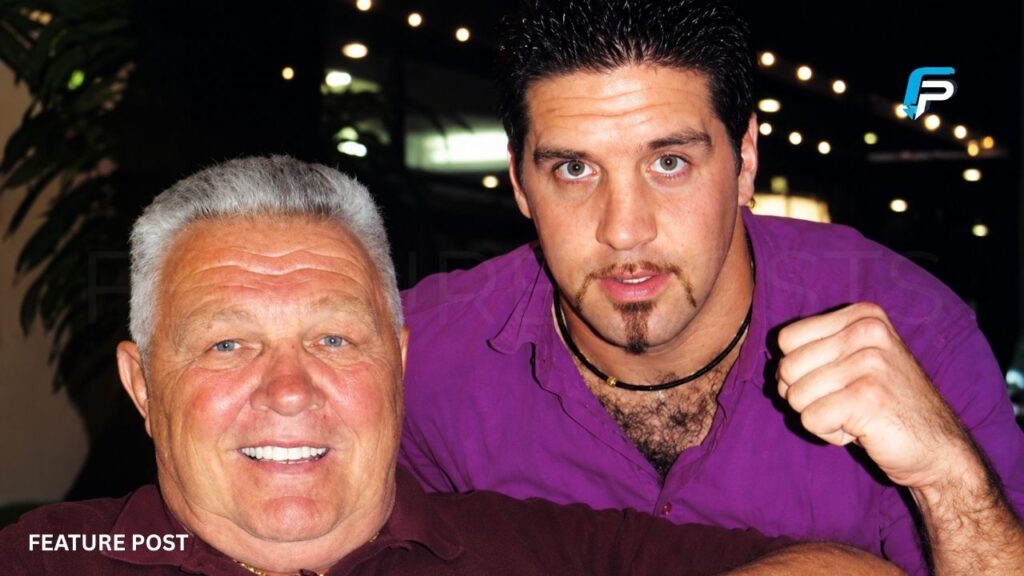
McNeeley continued boxing after the Tyson fight and kept competing against a range of heavyweight opponents. He did not return to the same level of fame, yet he remained active and professional. Fighters who experience a massive spotlight often find the aftermath complicated, because expectations rise while opportunities shift. McNeeley kept working, took further bouts and tried to rebuild his standing within the division. Boxing careers rarely follow a straight line, and his path included both victories and setbacks as the years passed.
Eventually McNeeley stepped away from professional boxing, as every fighter must. Retirement brings emotional and physical adjustments, because the daily routine of training, camps and fights suddenly disappears. Many boxers miss the competition and the crowd, yet they also welcome the chance to protect their health. McNeeley left the sport with a long record, a famous nickname and a story few opponents can match. He did not win a world title, but he built a career that spanned years and earned recognition from fans across the country. For a fighter from Medford, that achievement represents hard work, persistence and a genuine place in the sport’s modern history.
Life After Boxing
Public details about McNeeley’s life after boxing remain fairly modest, and responsible writing avoids speculation. Former fighters often move into business, coaching, public appearances or community work, and many remain connected to the sport. McNeeley remains a recognisable name in discussions about the Tyson comeback. Interviewers and documentary makers often return to that famous night because audiences keep asking about it, even decades later. A fighter who becomes part of a historic event inevitably answers questions about it for years. Handling that attention with patience and good humour takes maturity, and it shows how a single fight can follow someone through every later stage of life.
Readers should check recent interviews and verified news reports for current updates on his personal and professional activities. Boxing history thrives on storytelling, and former fighters add valuable context when they share their own memories. McNeeley’s perspective on the Tyson fight offers insight into the pressure, excitement and confusion of that night. Fans who enjoy human stories behind sporting headlines will find his experience especially interesting. It reminds everyone that athletes remain real people, with families, feelings and futures beyond a single result.
Legacy in Boston Boxing
Boston has produced many respected fighters, and McNeeley holds a distinct place in that tradition. He represents the bold, outspoken and fearless competitor who embraced a huge challenge without hesitation. His fight with Tyson remains one of the most replayed and most discussed moments from 1990s heavyweight boxing. Younger fans discover it through highlight videos, documentaries and social media clips, which keeps his name alive across generations. Local supporters in Massachusetts still celebrate him as a hometown name who reached the biggest stage in the sport. That recognition may not match the legacy of a champion, but it carries real emotional value for the community that cheered him.
Legacy in boxing does not depend only on titles. It also grows from moments that captivate the public and shape the sport’s culture. McNeeley’s moment came on a night when Tyson’s return dominated headlines, and his role in that story earned permanent attention. His career also teaches an honest lesson about ambition, because he accepted a risky opportunity that most fighters never receive. Whether people admire him, joke about the fight or study it seriously, they all keep the conversation going. That ongoing interest proves that Peter McNeeley, the Boston Irishman from Medford, earned a lasting place in heavyweight storytelling and in the memory of boxing fans worldwide.
Read more Cristina Invernizzi
Conclusion
Peter McNeeley’s story shows how one night can transform a career without defining the whole person. The Medford heavyweight built a strong early record, embraced his Irish American identity and accepted a historic challenge against Mike Tyson. The fight lasted only 89 seconds, yet its impact has lasted for decades.
If you want to explore further, read his biography, review his record on BoxRec and watch the footage with fresh eyes. Doing so reveals a fighter whose courage, personality and Boston pride deserve more than a punchline.
Frequently Asked Questions
Who is Peter McNeeley?
He is an American heavyweight boxer from Medford, Massachusetts, known as “The Hurricane” and for fighting Mike Tyson in 1995.
When was Peter McNeeley born?
He was born on November 23, 1968.
Is Peter McNeeley Irish?
He is Irish American. He was born in Massachusetts and proudly represents his Boston Irish heritage.
Why is Peter McNeeley famous?
He fought Mike Tyson in Tyson’s 1995 comeback bout at the MGM Grand in Las Vegas.
How long did the Tyson fight last?
The fight lasted 89 seconds.
Who won the Tyson vs McNeeley fight?
Tyson won after McNeeley was disqualified when his corner entered the ring.
What was Peter McNeeley’s nickname?
His nickname was “The Hurricane.”
Is Peter McNeeley a trainer?
He is mainly known as a professional boxer. Public sources do not clearly confirm a trainer career.