
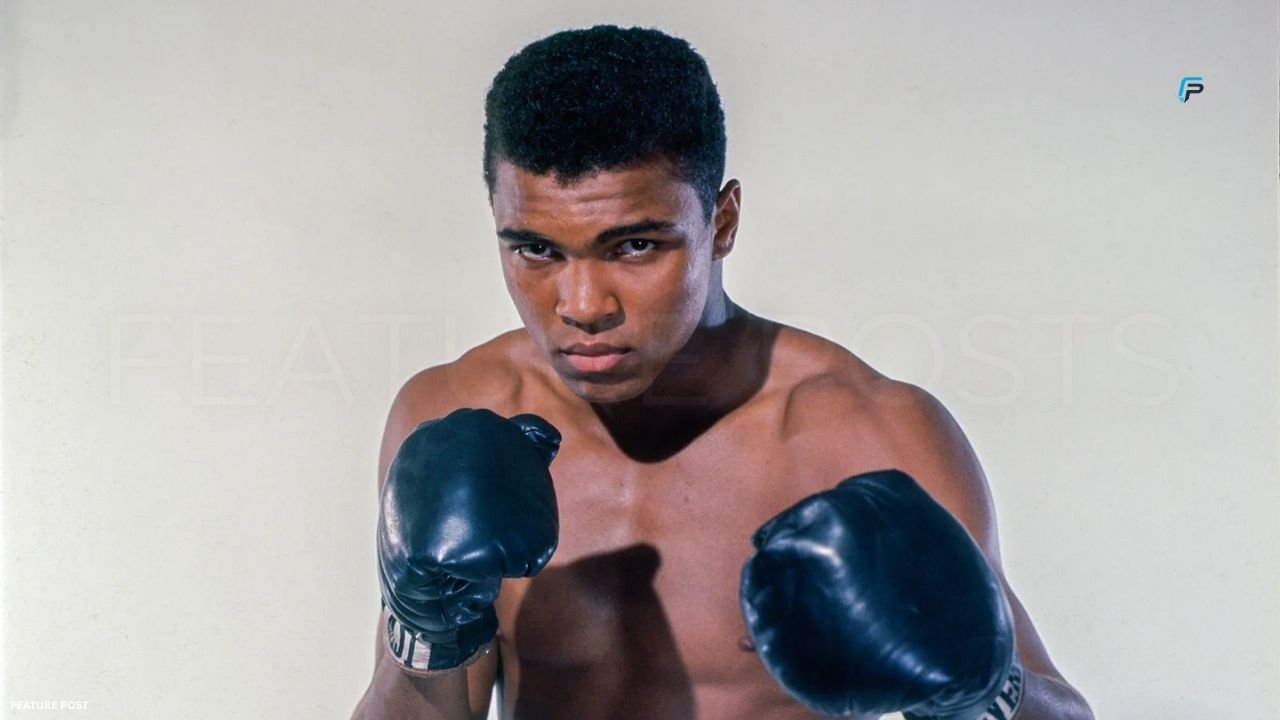
Muhammad Ali was more than a heavyweight boxing champion. He was a sports icon, an outspoken public figure, and a man whose influence reached far beyond the boxing ring. Known for his speed, confidence, sharp humor, and unforgettable personality, Ali changed how people viewed professional boxing. His famous fights attracted millions of viewers, while his personal beliefs and public decisions made him a major figure in American history.
Born Cassius Marcellus Clay Jr. in Louisville, Kentucky, Ali became an Olympic gold medalist before reaching the top of professional boxing. He later became a three-time world heavyweight champion. His journey included remarkable victories, difficult personal challenges, and years away from the sport because of his refusal to serve in the Vietnam War. Even after his death in 2016, his achievements and humanitarian work continue to inspire people worldwide.
Quick Bio Muhammad Ali
| Detail | Information |
|---|---|
| Full Name | Cassius Marcellus Clay Jr. |
| Famous Name | Muhammad Ali |
| Date of Birth | January 17, 1942 |
| Birthplace | Louisville, Kentucky, USA |
| Date of Death | June 3, 2016 |
| Age at Death | 74 years |
| Nationality | American |
| Profession | Professional Boxer, Activist, Humanitarian |
| Boxing Division | Heavyweight |
| Olympic Achievement | Gold Medal, 1960 Rome Olympics |
| World Titles | Three-time World Heavyweight Champion |
| Professional Record | 56 Wins, 5 Losses |
| Famous Nickname | The Greatest |
| Wife | Yolanda Williams (Lonnie Ali) |
| Children | Nine Maryum (eldest daughter, born 1968) – Author, speaker, and former rapper. Jamillah – Twin sister to Rasheda and a philanthropist. Rasheda – Twin sister to Jamillah, author, and Parkinson’s disease advocate. Muhammad Ali Jr. – His son, who focuses on anti-bullying and youth advocacy. Khaliah – Social justice campaigner and speaker. Miya – Daughter who shares insights from their blended family. Hana – Author and writer who has written memoirs about her father. Laila – Former undefeated professional boxing world champion. Asaad Amin – Adopted son of Muhammad Ali and Lonnie Ali, who became a baseball |
Muhammad Ali’s Early Life and Family Background
Muhammad Ali was born Cassius Marcellus Clay Jr. on January 17, 1942, in Louisville, Kentucky. His father, Cassius Clay Sr., worked as a sign painter, while his mother, Odessa Clay, supported the family and raised her children. Ali grew up during a period when racial segregation shaped everyday life in the American South. These experiences influenced his understanding of identity, equality, and confidence.
Ali’s interest in boxing began when someone stole his bicycle during his childhood. Upset about the theft, he told a police officer named Joe Martin that he wanted to fight the person responsible. Martin, who also trained young boxers, encouraged him to learn the sport properly. Ali began training at around 12 years old and quickly showed natural ability. What started as a childhood interest soon became the foundation of a remarkable sporting career.

How Muhammad Ali Started His Boxing Career
Ali developed his skills through amateur boxing competitions in Kentucky and beyond. His speed, footwork, and confidence made him stand out from other young fighters. He won several amateur tournaments, including Golden Gloves titles, and built a reputation as a talented boxer. Unlike many heavyweights, he relied heavily on movement and quick combinations rather than simply using physical strength.
His biggest amateur achievement came at the 1960 Summer Olympics in Rome, Italy. At only 18 years old, he won the gold medal in the light heavyweight division. This victory introduced him to a much wider audience and gave him the confidence to pursue professional boxing. After returning home, he began his professional career and quickly attracted attention for his unusual fighting style, entertaining interviews, and bold predictions.
The Rise of Muhammad Ali in Professional Boxing
Ali made his professional debut in October 1960 against Tunney Hunsaker, winning the six-round contest by decision. He continued building his record through a series of victories against experienced opponents. His approach challenged traditional expectations of heavyweight boxing. He moved quickly around the ring, used sharp combinations, and often frustrated opponents who struggled to match his speed.
His confidence also became a major part of his public image. Ali frequently predicted the round in which he would defeat an opponent and used rhymes to entertain journalists and fans. Some people viewed his personality as excessive, while others admired his confidence and humor. His growing popularity eventually brought him a chance to fight heavyweight champion Sonny Liston, one of the most feared boxers of that era.
Muhammad Ali’s First World Heavyweight Championship
In February 1964, Ali faced Sonny Liston in Miami Beach, Florida. Many observers expected Liston to win because of his reputation and punching power. Ali entered the fight with confidence and surprised viewers through his speed and movement. Liston did not answer the bell for the seventh round, giving Ali a technical knockout victory and his first world heavyweight championship.
The victory became a turning point in Ali’s life. At 22, he had reached the top of professional boxing and established himself as a major international sports figure. Shortly after the fight, he publicly announced his association with the Nation of Islam and began using the name Cassius X before adopting Muhammad Ali. His name change reflected a personal and religious decision that became an important part of his public identity.
Why Muhammad Ali Was Banned From Boxing
In 1967, Ali refused induction into the United States military during the Vietnam War. He explained that his religious beliefs and opposition to the war prevented him from serving. His decision created major controversy across the country. Authorities convicted him of draft evasion, and boxing officials stripped him of his heavyweight title and suspended his boxing license.
The punishment kept him away from professional boxing for more than three years during what should have been important years of his career. Ali also faced the possibility of prison while his legal case continued. In 1971, the United States Supreme Court overturned his conviction. His case became an important part of discussions about religious freedom, conscientious objection, civil rights, and individual principles. His return to boxing marked a major new chapter in his life.
The Famous Rumble in the Jungle Fight
One of Ali’s most celebrated fights took place on October 30, 1974, against George Foreman in Kinshasa, Zaire, now the Democratic Republic of the Congo. Foreman entered the contest as the undefeated heavyweight champion and was widely considered a dangerous opponent. Many expected Ali to struggle against his strength and punching power.
Ali used a strategy that became known as rope-a-dope. He leaned against the ropes, protected himself, and allowed Foreman to spend energy throwing punches. As the fight continued, Foreman became tired. Ali then attacked with a series of combinations and knocked him out in the eighth round. The victory restored Ali’s heavyweight championship and became one of the most memorable moments in boxing history.
The Thrilla in Manila and the Joe Frazier Rivalry
Muhammad Ali’s rivalry with Joe Frazier produced some of boxing’s most intense fights. Their first meeting, known as the Fight of the Century, took place in March 1971 at Madison Square Garden in New York. Frazier won by unanimous decision, handing Ali his first professional defeat. The result made their rivalry even more important to boxing fans.
Their third fight, known as the Thrilla in Manila, took place on October 1, 1975, in the Philippines. Both fighters endured an exhausting contest in extreme heat. Ali eventually won after Frazier’s corner stopped the fight before the final round because Frazier could no longer continue. The match became famous for its physical demands and the determination shown by both boxers. It remains one of the defining contests of Ali’s career.
Muhammad Ali’s Third Heavyweight Championship
Ali continued competing at the highest level during the late 1970s. In February 1978, he lost his heavyweight title to Leon Spinks in a surprising split-decision result. Spinks was a relatively new professional boxer, and the victory became one of the biggest upsets of the period. Ali responded by preparing for a rematch.
In September 1978, Ali defeated Spinks by unanimous decision and reclaimed the championship. This achievement made him the first boxer to win the world heavyweight title three times. His ability to return to the top after setbacks demonstrated his determination and competitive spirit. Although his later fights showed the physical demands of a long boxing career, his championship comeback secured another important place in sporting history.
Muhammad Ali’s Marriage and Children
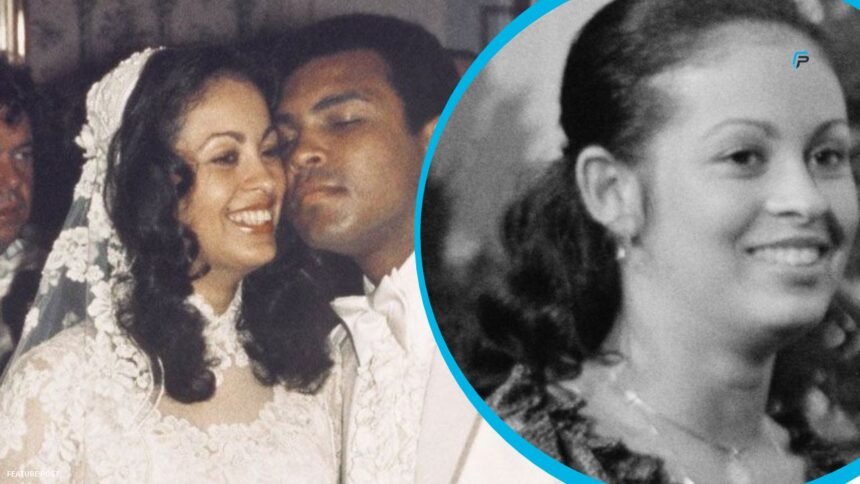
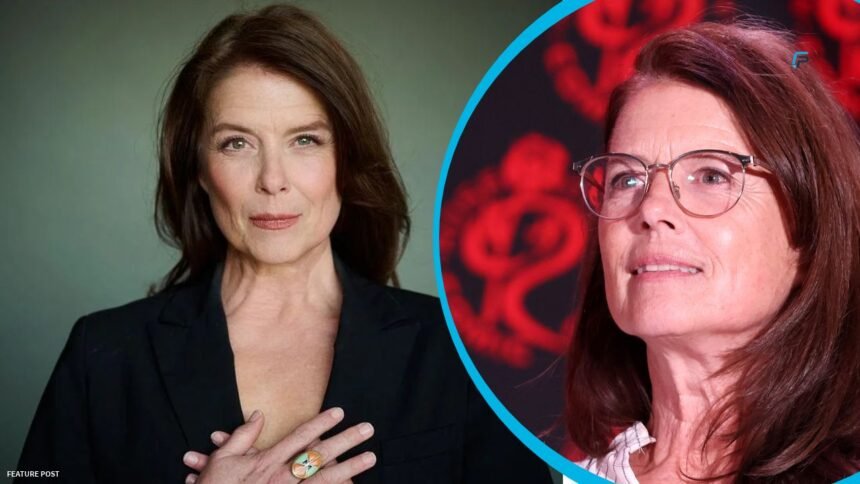
Muhammad Ali’s personal life included four marriages and a large family. His first marriage was to Sonji Roi in 1964, but the relationship ended in divorce in 1966. He later married Belinda Boyd, who became known as Khalilah Ali. Their marriage lasted from 1967 until their divorce in 1977. He then married Veronica Porché in 1977, and their marriage ended in divorce in 1986.
In November 1986, Ali married Yolanda Williams, widely known as Lonnie Ali. They remained together until his death. Ali had nine children: Maryum, Jamillah, Rasheda, Muhammad Ali Jr., Hana, Laila, Miya, Khaliah, and Asaad. His children followed different paths, and some became publicly known through their own work. His daughter Laila Ali, in particular, developed a successful professional boxing career and became a prominent sports personality.
Muhammad Ali’s Life Outside the Boxing Ring
Ali’s influence extended into entertainment, public speaking, and humanitarian work. His personality made him a popular guest on television programs, and he appeared in films and stage productions. He also published books about his experiences, beliefs, and approach to life. His autobiography and later writing projects gave readers a closer look at the person behind the famous boxing image.
He also used his international recognition to support charitable causes. In 1998, the United Nations designated him a Messenger of Peace. He visited different countries, supported humanitarian initiatives, and helped raise awareness of poverty and social challenges. His public work reflected his interest in bringing people together across racial, religious, and cultural differences.
Muhammad Ali’s Health and Parkinson’s Disease
Ali’s later years were affected by Parkinson’s disease, a neurological condition that can cause movement difficulties, tremors, and changes in speech. His diagnosis became publicly known in the 1980s. Although the condition affected his physical abilities, he continued appearing at important public events and supporting causes that mattered to him.
One of his most memorable public appearances came during the opening ceremony of the 1996 Summer Olympics in Atlanta. Ali, visibly affected by the condition, helped light the Olympic flame. The moment attracted worldwide attention and showed the public a different side of the former champion. He also supported Parkinson’s research and awareness initiatives, helping bring greater attention to the condition.
Muhammad Ali’s Death and Lasting Legacy
Muhammad Ali died on June 3, 2016, at the age of 74 in Arizona. His death followed years of living with Parkinson’s disease and other health complications. His passing received worldwide attention, with tributes coming from athletes, political leaders, entertainers, and ordinary fans. His funeral and memorial events brought together people from different backgrounds to celebrate his life and achievements.
His legacy remains connected to more than his boxing record. Ali showed how an athlete could use fame to speak about personal beliefs, social issues, and humanitarian concerns. The Muhammad Ali Center in Louisville continues to share his story and promote values such as respect, confidence, compassion, and social responsibility. His influence can still be seen in sports, popular culture, and conversations about courage and personal conviction.
Conclusion
Muhammad Ali’s journey from a young boy in Louisville to a three-time world heavyweight champion remains one of the most remarkable stories in sports history. His Olympic gold medal, famous victories over Sonny Liston and George Foreman, and unforgettable rivalry with Joe Frazier helped define an era of boxing. Outside the ring, his decisions about religion, military service, equality, and humanitarian work made him a widely recognized public figure.
Ali’s life was filled with achievements, controversy, challenges, and moments that changed how people viewed athletes. He was known as The Greatest, but his influence came from much more than winning fights. His story continues to remind people that confidence, courage, and commitment can leave a lasting mark on the world.
Frequently Asked Questions
What was Muhammad Ali’s real name?
His birth name was Cassius Marcellus Clay Jr.
When was Muhammad Ali born?
He was born on January 17, 1942, in Louisville, Kentucky.
How many times did Muhammad Ali win the heavyweight title?
He won the world heavyweight championship three times.
What was Muhammad Ali’s professional boxing record?
He finished his career with 56 wins and five losses, including 37 wins by knockout.
Why did Muhammad Ali change his name?
He adopted the name Muhammad Ali after joining the Nation of Islam and embracing Islam.
Why was Muhammad Ali banned from boxing?
He was suspended after refusing induction into the US military during the Vietnam War.
Who was Muhammad Ali’s wife?
His last wife was Yolanda Williams, known as Lonnie Ali, whom he married in 1986.
How many children did Muhammad Ali have?
He had nine children.
When did Muhammad Ali die?
He died on June 3, 2016, at the age of 74.
What disease did Muhammad Ali have?
He lived with Parkinson’s disease, which was publicly disclosed in the 1980s.
Stay More Update FEATURE POSTS.