

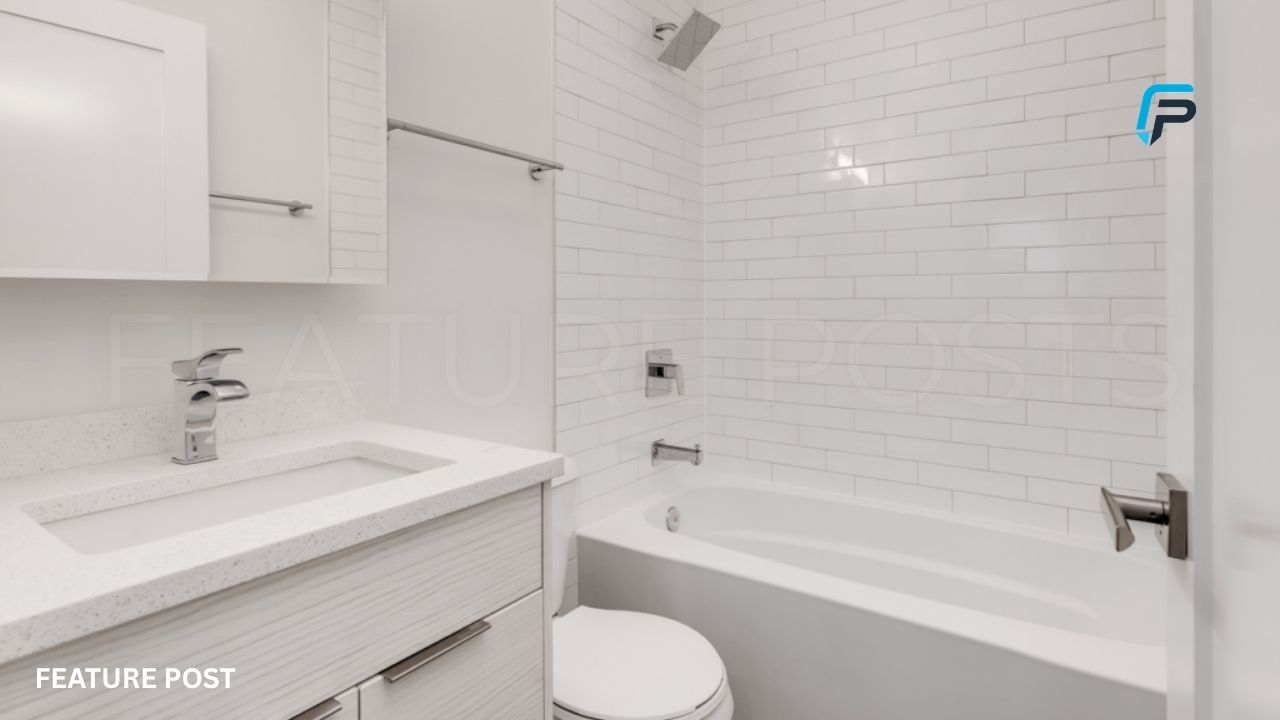
A bathtub is an important part of any bathroom, but daily use can slowly affect its appearance, comfort, and condition. Small chips, stubborn stains, worn finishes, and unusual cracks may seem like minor problems at first. However, some signs can point to deeper damage that a simple cleaning routine or surface repair cannot solve. Knowing when a bathtub needs replacement can help homeowners avoid bigger repair bills, protect their bathroom from water damage, and create a safer place to relax.
The good news is that not every old or unattractive bathtub needs to be replaced. Some tubs can regain their appearance through professional refinishing, while others may need repairs to the drain or surrounding seals. The key is understanding the difference between cosmetic wear and structural problems. In this guide, we explore the warning signs that suggest it may be time for a new bathtub, explain when repairs are enough, and share practical tips for planning a replacement.
Cracks That Keep Growing
Cracks are among the clearest warning signs that a bathtub needs professional attention. A tiny surface mark may only affect the finish, but a deep crack can weaken the tub itself. This is particularly concerning when the crack appears on the bottom, spreads over time, or allows water to escape. Fiberglass and acrylic tubs can develop cracks after repeated stress, impact, poor support, or years of use. Ignoring these signs may lead to more extensive damage around the bathroom.
Pay attention to cracks that widen, feel uneven, or move when the tub is used. Avoid filling the bathtub until a professional has assessed a suspected structural crack, especially if leakage is present. Surface-level damage may be repairable, but a crack that passes through the tub shell often calls for replacement. A qualified professional can inspect the material, determine the extent of the damage, and recommend a solution that addresses the underlying problem instead of simply covering it.
Persistent Leaks Around the Bathtub
A bathtub should hold water without allowing it to escape into the surrounding floor or walls. If you repeatedly notice damp flooring, water stains on a ceiling below the bathroom, or moisture around the tub, investigate the cause promptly. The problem could come from a damaged drain connection, worn sealant, faulty plumbing, or a crack in the bathtub. Identifying the exact source matters because replacing the tub alone will not fix a leaking pipe or poorly sealed connection.
Water that escapes over time can damage flooring, wall materials, and nearby structural components. It may also encourage mold growth when moisture remains trapped in hidden spaces. If you suspect a leak, stop using the bathtub if necessary and arrange a professional inspection. A plumbing repair may solve the problem when the tub remains structurally sound. However, if the tub body is cracked or badly deteriorated, replacement may be the more dependable long-term option.
Rust and Corrosion That Keep Returning
Rust can be a warning sign on steel or other metal-based bathtubs, particularly when it appears around chips, the drain, or areas where the finish has worn away. Once the protective coating is damaged, moisture can reach the metal underneath and cause corrosion. A small rust spot may be treatable if the underlying material remains solid, but widespread corrosion deserves closer inspection. Repeated rust around the same area can suggest that the damage extends deeper than the visible surface.
Look for bubbling finishes, rough patches, dark orange marks, and areas where the metal seems thin or exposed. If corrosion has eaten through the tub or created a leak, refinishing is unlikely to provide a lasting solution. Replacement may be necessary to restore reliable use. Before making a decision, ask a qualified professional to examine the affected area. Early attention can help distinguish a manageable surface issue from serious deterioration that requires a new bathtub.
The Bathtub Floor Feels Soft or Unstable
A bathtub should feel secure when you step inside. If its base bends noticeably, creaks, or feels unstable under normal use, there may be a problem with the tub shell or the support beneath it. Some acrylic and fiberglass models allow a small amount of movement, but excessive flexing can indicate inadequate installation support, material fatigue, or damage to the base. These issues should not be dismissed simply because the bathtub still holds water.
The problem may involve the tub itself, the supporting frame, or the subfloor underneath. Replacing the bathtub without correcting damaged support can allow the same issue to return. For this reason, a professional should assess both the fixture and the structure beneath it. If the tub has developed a weak or damaged base, replacement may be the safest option. Addressing the cause early can also reduce the risk of leaks and more expensive bathroom repairs.
Stains That Cleaning Cannot Remove
Bathtubs can develop discoloration from mineral deposits, soap residue, hard water, and everyday use. In many cases, appropriate cleaning products can improve the surface. However, stains that remain after careful cleaning may indicate that the finish has worn down, become etched, or absorbed discoloration through damage. An old bathtub with an uneven, dull appearance can make the entire bathroom feel less inviting, even when the rest of the room is well maintained.
Before deciding on replacement, identify the bathtub material and use a cleaner approved for its surface. Harsh chemicals and abrasive tools can make the damage worse. If the tub is structurally sound, professional refinishing may restore its appearance without removing the entire fixture. Replacement becomes more attractive when stains appear alongside deep scratches, corrosion, cracks, or other signs of deterioration. The goal is to choose a solution based on the tub’s actual condition rather than appearance alone.
Peeling, Chipping, or Flaking Finish
The bathtub finish helps protect the underlying material and creates a smooth surface that is easier to clean. Over time, this finish may chip, peel, or flake because of age, poor previous refinishing, impact, or unsuitable cleaning products. A few isolated chips may be repairable, but widespread peeling can make the bathtub look worn and may expose the material underneath. When damage continues to spread, repeated spot repairs may become less practical.
Examine the areas around the drain, waterline, and bottom of the tub, where wear may become noticeable. If the tub remains solid and the damage affects only its surface, professional refinishing could be enough. However, a new coating cannot correct structural weakness, deep corrosion, or a failing shell. If the existing finish has deteriorated across large areas and the tub has other significant problems, replacement may offer better long-term value. A professional assessment can help you compare the available options.
Mold and Moisture Problems Around the Tub
Dark marks or musty odors around a bathtub can signal excess moisture. Mold may develop on sealant, grout, nearby walls, or materials hidden behind the bathroom surround when water repeatedly enters these areas. Although mold around a tub does not automatically mean the fixture needs replacement, persistent moisture should never be ignored. Damaged caulk, leaking plumbing, failed waterproofing, and poor ventilation can all contribute to the problem.
Start by finding and correcting the source of moisture. Replace deteriorated sealant where appropriate, improve ventilation, and arrange repairs if water is entering the walls or floor. If the bathtub itself is cracked or leaking, replacing it may form part of the solution. However, the surrounding structure must also be inspected and repaired when necessary. Simply installing a new tub over damaged or damp materials will not solve the underlying issue and could allow moisture problems to continue.
Your Bathtub No Longer Meets Your Needs
Sometimes, a bathtub remains functional but no longer suits the people using it. A high-sided tub may become difficult to enter, a small model may feel uncomfortable, or a household may prefer a shower with easier access. Changing family needs, accessibility concerns, and bathroom layout can all make replacement worth considering. In these situations, the decision is not necessarily about damage; it is about improving how the space works for everyday life.
Modern options include deeper soaking tubs, lower-entry designs, walk-in bathtubs, and bathtub-to-shower conversions. Each choice has different installation requirements, costs, and space considerations. Before choosing a new model, measure the available area and consider plumbing locations, access, storage, and the needs of everyone who uses the bathroom. If mobility or fall risk is a concern, consult an appropriate accessibility professional. A thoughtful upgrade can make the bathroom more comfortable and practical for years to come.
Frequent Repairs Are Becoming Expensive
One small repair does not necessarily justify replacing an entire bathtub. A loose drain, worn seal, or isolated surface chip may be inexpensive to fix when the rest of the fixture remains in good condition. However, repeated repairs can become frustrating when new problems keep appearing. If you have paid for several repairs and the tub still leaks, cracks, or deteriorates, it may be time to compare the total repair costs with the cost of replacement.
Consider the age and material of the bathtub, the severity of the damage, and the likelihood of further problems. A professional can explain whether another repair is likely to last or whether the fixture has reached the point where replacement makes more sense. Include possible costs for removing the old tub, updating plumbing, repairing walls, and replacing surrounding tiles. Looking at the full project cost helps you make a more informed decision instead of spending money repeatedly on a fixture that continues to fail.
Your Bathroom Is Ready for a Major Upgrade
A bathroom renovation can create a practical opportunity to replace an old bathtub. If you are already updating the tiles, flooring, plumbing, or layout, installing a new tub during the project may be more convenient than tackling it separately later. An older bathtub may also clash with the design of a newly renovated room. Replacing it can help create a more consistent appearance and allow you to choose a shape, material, and size that suits your plans.
However, an outdated appearance alone does not mean replacement is essential. A sound bathtub may be refinished if you want a fresh look without major demolition. The best choice depends on your budget, renovation goals, and the condition of the existing fixture. Before work begins, confirm the measurements, check the plumbing connections, and discuss waterproofing with your contractor. Planning these details in advance can reduce surprises and help ensure the new bathtub fits properly into the finished bathroom.
Repair or Replace: Which Option Is Better?
The decision between repairing and replacing a bathtub usually comes down to the difference between surface damage and structural failure. Small chips, minor scratches, stubborn discoloration, and a worn finish may be suitable for repair or professional refinishing when the tub remains solid. These options can improve appearance without the disruption involved in removing the fixture. They may also help homeowners preserve a well-made bathtub that still performs reliably.
Replacement is generally the stronger option when the tub has deep structural cracks, severe corrosion, a failing base, or damage that cannot be repaired reliably. It may also make sense when you want a different design or need to change the bathroom layout. Ask a qualified professional to assess the fixture and explain the likely lifespan of each option. Compare the total costs, not just the initial price, so you can choose a solution that balances safety, durability, and value.
What to Consider Before Buying a New Bathtub
Before selecting a replacement, measure the available space carefully. Check the length, width, depth, access route into the bathroom, and position of the existing drain and plumbing. A tub that looks ideal in a showroom may not fit the available area or connect easily to the current layout. You should also consider who will use it, how often it will be used, and whether ease of entry, comfort, or water conservation is a priority.
Material is another important factor. Acrylic tubs are often relatively lightweight, while steel and cast-iron models have different weight, durability, and installation requirements. Compare cleaning needs, manufacturer warranties, installation instructions, and the cost of any additional work. Remember that the purchase price is only one part of the project. Removal, disposal, plumbing changes, wall repairs, and waterproofing can all affect the final bill. A detailed estimate from a qualified installer can help you plan the work with fewer surprises.
Conclusion
A bathtub can show several warning signs before it becomes unsuitable for everyday use. Growing cracks, persistent leaks, serious corrosion, an unstable base, and widespread finish damage deserve particular attention. While cosmetic problems may respond well to cleaning, repair, or professional refinishing, structural damage often requires replacement. Recognizing the difference can help you protect your bathroom, avoid recurring repair costs, and make a better long-term investment.
You do not need to replace a bathtub simply because it looks old. Start by examining its condition, identifying any moisture problems, and considering how well it meets your household’s needs. If you suspect a leak or structural failure, arrange a professional assessment before continuing to use the tub. With the right information and careful planning, you can decide whether repairing your existing bathtub or installing a new one is the best choice for your home.
Frequently Asked Questions
How do I know when my bathtub needs replacing?
Growing cracks, serious corrosion, persistent leaks from the tub body, or a weak and unstable base may indicate that replacement is necessary.
Can a cracked bathtub be repaired?
Small surface cracks may be repairable, but deep or structural cracks often require replacement after a professional assessment.
Is it better to refinish or replace an old bathtub?
Refinishing may suit a structurally sound tub with cosmetic damage, while replacement is generally better for severe structural problems.
How long does a bathtub usually last?
Its lifespan depends on the material, installation quality, maintenance, and frequency of use. Condition matters more than age alone.
Does a leaking bathtub always need replacement?
No. A leak caused by a drain, pipe, or seal may be repairable without replacing the bathtub itself.
Can mold around a bathtub mean it needs replacing?
Not necessarily. Mold may result from damaged sealant, poor ventilation, or plumbing leaks, so the moisture source should be identified first.
What is the first step before replacing a bathtub?
Measure the available space, assess the existing plumbing, and obtain a professional estimate that includes removal and installation costs.
Stay More Update FEATURE POSTS