
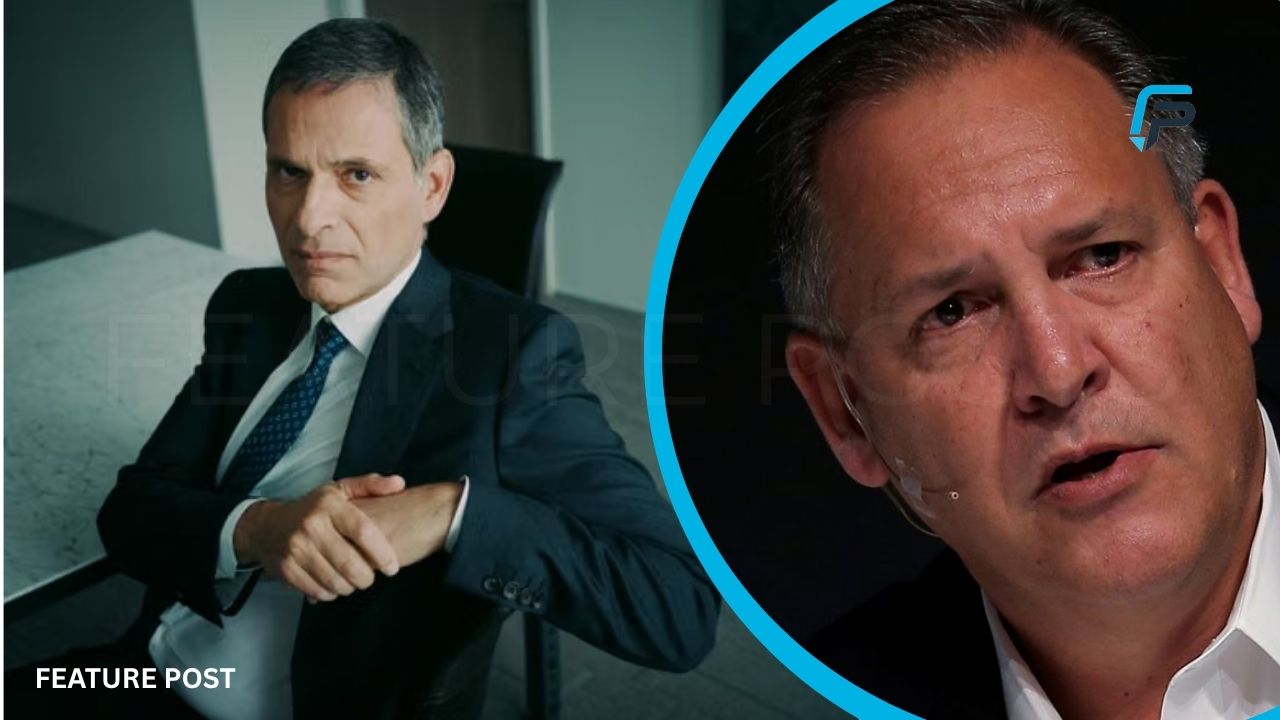
Rodolphe Saadé and Greg Hayes built their careers in different industries, yet both became influential figures in global business. Saadé is known for leading CMA CGM, a major shipping and logistics group with international operations. Hayes developed his reputation in the aerospace, defense, and industrial sectors through senior leadership positions at United Technologies Corporation and RTX. Their professional journeys highlight different ways of managing large organizations, navigating competition, and responding to changing markets.
While Saadé focused on expanding a family-founded shipping business into a broader logistics operation, Hayes concentrated on corporate strategy, financial management, and industrial transformation. Both gained experience across several areas before reaching senior leadership. Comparing their careers provides useful insight into executive leadership, business expansion, and the decisions that can influence the direction of multinational companies.
Quick Rodolphe Saadé And Greg Hayes
| Detail | Rodolphe Saadé | Greg Hayes |
|---|---|---|
| Full name | Rodolphe Saadé | Gregory J. Hayes |
| Nationality | French-Lebanese background | American |
| Born | 1970, Lebanon | 1960 |
| Education | Concordia University | Purdue University |
| Main industry | Shipping and logistics | Aerospace and defense |
| Best known for | CMA CGM | United Technologies and RTX |
| Leadership experience | Chairman and CEO of CMA CGM | Former CEO of United Technologies and RTX |
| Key expertise | International shipping, logistics, acquisitions | Finance, corporate strategy, industrial management |
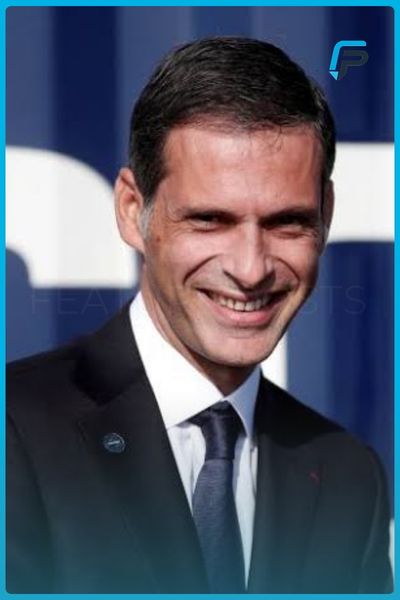
Who Is Rodolphe Saadé?
Rodolphe Saadé was born in Lebanon in 1970 and studied commerce and marketing at Concordia University in Montreal, Canada. After completing his education, he gained entrepreneurial experience by establishing a water-dispenser business. This early venture introduced him to commercial operations and international markets before he joined his family’s shipping business in 1994.
Saadé entered CMA CGM, the company founded by his father, Jacques Saadé. Rather than immediately taking the top position, he worked across different parts of the organization, including operations in New York and Hong Kong. These assignments helped him understand shipping routes, international trade, and the practical challenges of managing a global transport company. His growing responsibilities prepared him to take a leading role in the company’s next phase of development.
How Rodolphe Saadé Rose Through CMA CGM
During his early years at CMA CGM, Saadé managed several shipping lines and later took responsibility for important transatlantic and transpacific operations. These roles gave him experience in route management, commercial planning, and international logistics. He also became involved in the company’s financial restructuring, helping him develop a broader understanding of the business beyond shipping operations alone.
In 2010, Saadé became vice chairman and joined the company’s board. He subsequently led important strategic initiatives, including the acquisition of Neptune Orient Lines and negotiations that helped establish the Ocean Alliance shipping partnership. In November 2017, he became chairman and chief executive officer of CMA CGM. His appointment marked a new chapter for the family-founded company as it continued to expand its international reach.
Read Leonardo DiCaprio and Emma Walmsley What You Should Know
Saadé’s Vision for Shipping and Logistics
Under Saadé’s leadership, CMA CGM pursued a strategy that extended beyond transporting containers by sea. The company strengthened its logistics activities, invested in digital services, and expanded into air cargo. Its acquisition of CEVA Logistics in 2019 was an important step toward building a wider transport and supply-chain business that could serve customers across multiple stages of delivery.
The company also expanded through additional logistics acquisitions and investments in technology. Saadé’s approach reflects a broader change in international trade, where customers increasingly seek connected shipping, warehousing, and distribution services. At the same time, the shipping industry faces challenges involving fuel costs, trade disruptions, environmental requirements, and fluctuating demand. Managing these pressures remains an important part of the company’s long-term strategy.
Who Is Greg Hayes?
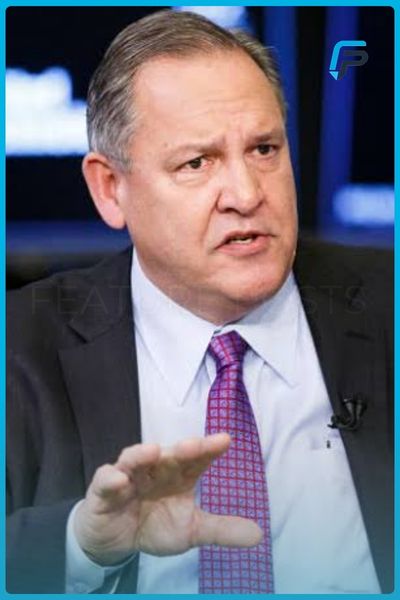
Greg Hayes, whose full name is Gregory J. Hayes, is an American business executive known for his leadership in aerospace, defense, and industrial manufacturing. He studied economics at Purdue University and became a certified public accountant. His financial background played an important role in shaping his career, especially as he moved into senior positions at large industrial companies.
Hayes joined United Technologies Corporation in 1999 through its merger with Sundstrand Corporation. Over the following years, he held positions in finance and corporate management, gaining experience with complex operations and business strategy. He became chief financial officer in 2008, a position he held until 2014. His time in finance gave him a close understanding of the company’s performance, investments, and long-term business priorities.
How Greg Hayes Became a Major Corporate Leader
Hayes became chief executive officer of United Technologies Corporation in 2014 and chairman in 2016. The company operated across several industrial sectors, including aerospace systems and building technologies. His leadership involved managing a large organization with different business units, global customers, and demanding financial and operational requirements.
One of the most significant developments during his tenure was the transformation that led to the creation of Raytheon Technologies in 2020, following the merger of United Technologies’ aerospace businesses with Raytheon Company. The combined business was later renamed RTX. The transaction brought major aerospace and defense operations together under one corporate structure. Hayes played a central role in guiding the process and leading the resulting organization through a period of significant change.
Greg Hayes and the Transformation of RTX
As chief executive of RTX, Hayes oversaw a company operating in industries where engineering, manufacturing, government contracts, and long development cycles are central to success. Its business includes aerospace systems and defense technologies used by commercial aviation, military, and other customers. Leading such an organization requires close attention to production, product reliability, research, financial performance, and regulatory obligations.
Hayes became executive chairman in 2024 after completing his tenure as CEO. However, his executive-chairman role did not continue indefinitely: RTX’s 2026 regulatory filings state that he stepped down from the position in 2025, with Christopher Calio becoming chairman. Hayes’s career remains significant because of his long service at United Technologies and his role in the formation of RTX, rather than because he currently leads the company.
Rodolphe Saadé and Greg Hayes: Leadership Compared
Saadé’s leadership has centered on international shipping, logistics, and the expansion of a family-founded business. His career developed through direct exposure to shipping operations before moving into strategic acquisitions and company-wide leadership. His decisions have emphasized broadening the services CMA CGM provides and connecting maritime transport with other parts of the supply chain.
Hayes followed a path shaped by finance and industrial management. His progression from chief financial officer to CEO and chairman gave him responsibility for business performance, corporate restructuring, and large-scale integration. While Saadé’s work has focused on moving goods around the world, Hayes’s career has involved the technologies and systems that support aviation and defense. Their paths demonstrate how executive leadership can take different forms depending on the company’s market and operating model.
Their Business Strategies and Major Challenges
CMA CGM’s strategy reflects the importance of global trade and the growing demand for integrated logistics. Expanding into air cargo, warehousing, and other services can help a shipping company serve customers beyond ocean freight. However, these activities require substantial investment and expose the business to changes in trade volumes, fuel prices, port conditions, and international regulations.
RTX faces a different set of challenges. Aerospace and defense companies must manage complex engineering programs, production schedules, safety requirements, government contracts, and long-term research commitments. Mergers can create opportunities for greater scale, but they also bring integration challenges and require careful coordination across business units. Saadé and Hayes therefore operated in different environments, each requiring specialized knowledge and disciplined management.
Read Pete Hegseth Net Worth From Fox News to Government Service
What Makes Their Careers Similar?
Despite their different industries, Saadé and Hayes share several professional themes. Both spent years developing experience before reaching their most senior positions. Saadé learned the operational side of shipping before leading CMA CGM, while Hayes developed a strong financial and managerial foundation before becoming CEO of United Technologies.
Both were also involved in significant business transformations. Saadé expanded CMA CGM’s activities through acquisitions, partnerships, and investments in logistics. Hayes helped bring major aerospace and defense businesses together through the formation of RTX. Their careers show that leading a multinational company involves more than setting a vision. Executives must also manage people, allocate resources, understand industry risks, and make decisions that affect organizations over many years.
Conclusion
Rodolphe Saadé and Greg Hayes built influential careers by taking different routes through the corporate world. Saadé developed his experience within CMA CGM before becoming its chairman and CEO, guiding the company’s expansion across shipping, logistics, and air cargo. Hayes advanced through finance and senior management at United Technologies before leading the company through the formation of RTX, a major aerospace and defense organization.
Their stories offer different lessons about leadership. Saadé’s career highlights the value of understanding international trade and connecting services across a supply chain. Hayes’s experience demonstrates the complexity of financial management, corporate mergers, and industrial transformation. Neither career follows exactly the same path, but both illustrate the importance of industry knowledge, strategic planning, and the ability to manage change in global business.
Stay More Update FEATURE POSTS
Frequently Asked Questions
Who is Rodolphe Saadé?
Rodolphe Saadé is a French-Lebanese business executive who serves as chairman and CEO of the CMA CGM shipping and logistics group.
Who is Greg Hayes?
Greg Hayes is an American business executive best known for leading United Technologies Corporation and serving as CEO and executive chairman of RTX.
What company does Rodolphe Saadé lead?
Saadé leads CMA CGM, an international group operating in container shipping, logistics, and related transport services.
What is Greg Hayes best known for?
Hayes is best known for his leadership at United Technologies and his role in the 2020 formation of RTX.
Do Rodolphe Saadé and Greg Hayes work in the same industry?
No. Saadé’s main industry is shipping and logistics, while Hayes built his career in aerospace, defense, and industrial manufacturing.
Is Greg Hayes still the executive chairman of RTX?
No. RTX’s 2026 regulatory filing states that Hayes stepped down as executive chairman in 2025.
What can business leaders learn from their careers?
Their careers highlight the importance of industry expertise, financial discipline, strategic acquisitions, and adapting large organizations to changing markets.
Stay More Update FEATEURE POSTS