

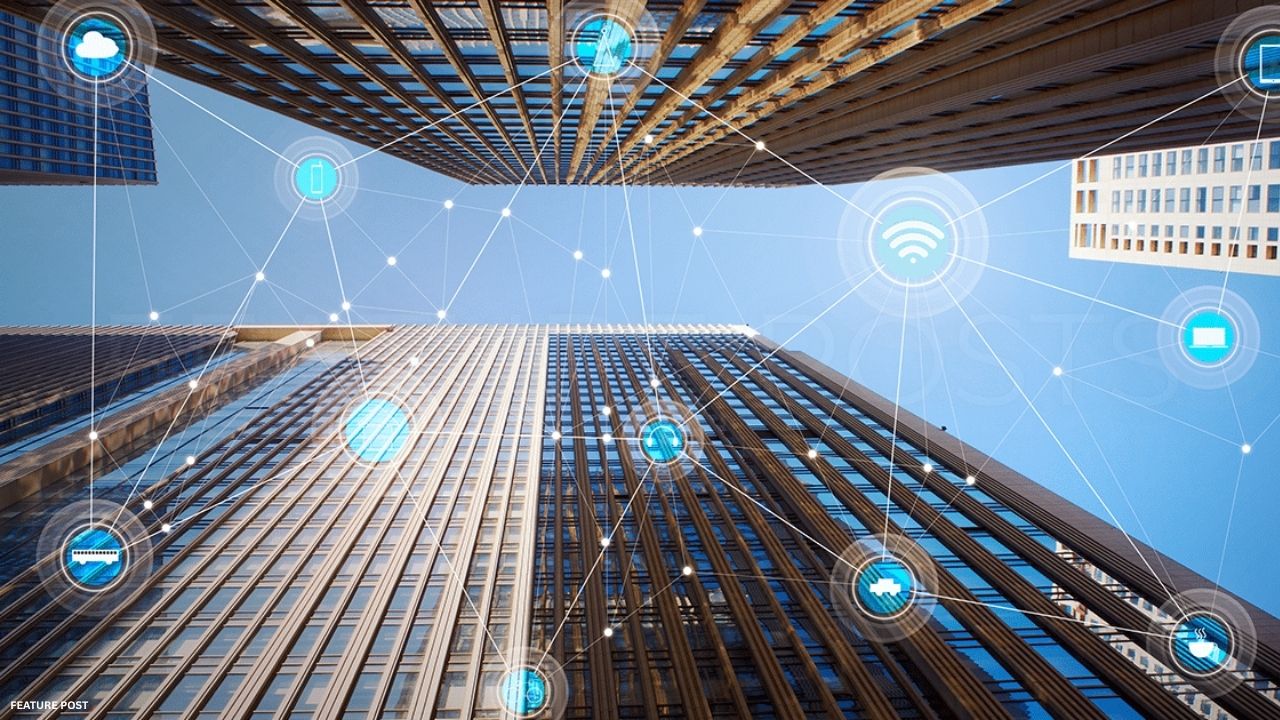
Modern offices need more than desks, meeting rooms, and internet access. Businesses also need efficient energy systems, comfortable workspaces, reliable security, and better ways to manage daily operations. Traditional building systems often work separately, making it harder for facility managers to understand what happens across an entire property. Internet of Things (IoT) technology helps address this challenge by connecting devices, sensors, and building equipment so they can share useful information.
IoT solutions for smart buildings matter because they help offices monitor conditions, automate routine tasks, and make decisions using real-time data. Connected systems can adjust lighting, monitor indoor air quality, track equipment performance, and improve energy management. When businesses implement these solutions carefully, they can create more responsive workplaces and improve facility operations. However, successful results depend on suitable technology, reliable integration, cybersecurity, and regular maintenance.
Key Takeaways
- IoT connects office equipment and sensors to improve building monitoring and control.
- Smart systems can reduce unnecessary energy use through occupancy-based automation.
- Connected sensors help facility teams identify equipment problems and maintenance needs.
- Indoor environmental monitoring can support employee comfort and workplace productivity.
- Cybersecurity, privacy, compatibility, and implementation costs require careful planning.
What Are IoT Solutions for Smart Buildings?
The Internet of Things refers to physical devices that collect and exchange information through network connections. In an office building, these devices might include motion sensors, smart thermostats, connected lighting, air-quality monitors, energy meters, and security equipment. The devices collect data about building conditions and send it to a management platform. Depending on the system, facility teams can use this information to monitor equipment, change settings, or automate specific operations.
IoT solutions for smart buildings combine these connected devices with software, communication networks, and control systems. For example, a meeting room sensor can detect when people enter and allow the lighting or cooling system to respond. A central dashboard may also show energy consumption across different floors. These systems can operate automatically or provide information for staff to review. Their main purpose is to make building operations more informed, coordinated, and responsive.
How IoT Helps Offices Save Energy
Energy consumption is a major concern for offices that operate lighting, heating, ventilation, air conditioning, computers, and other equipment throughout the working day. Traditional systems may continue running even when rooms are empty or outside normal working hours. Connected sensors help identify these situations and allow compatible systems to adjust their operation. Occupancy-based lighting, automated temperature controls, and energy monitoring can help businesses reduce waste without relying entirely on manual adjustments.
Energy data also helps facility managers understand which areas consume the most electricity and when demand increases. They can compare usage patterns, identify unusual consumption, and investigate equipment that may need adjustment. However, actual savings depend on the building, existing equipment, occupancy patterns, energy prices, and control settings. Businesses should establish a baseline before installation and measure performance afterward. This approach helps them determine whether their IoT investment produces meaningful improvements.
Improving Employee Comfort and Indoor Air Quality
Employee comfort affects how people experience their workplace. Poor ventilation, uncomfortable temperatures, and inadequate lighting can make an office less pleasant and may affect concentration. IoT-enabled sensors can monitor conditions such as temperature, humidity, carbon dioxide levels, and other selected air-quality indicators. When readings move outside defined limits, the system can notify facility staff or adjust compatible ventilation equipment to help restore suitable conditions.
Smart lighting and climate controls can also respond to room occupancy and changing environmental conditions. For example, a system may adjust lighting in a shared workspace or help maintain a comfortable temperature in a busy meeting room. These functions do not automatically guarantee better health or productivity, and sensors cannot detect every indoor air pollutant. Still, regular monitoring gives building managers useful information to investigate problems and create a more comfortable office environment.
Smarter Maintenance and Equipment Monitoring
Unexpected equipment failures can interrupt office operations and create costly repair work. Traditional maintenance often follows a fixed schedule or begins after someone reports a problem. IoT sensors offer another approach by monitoring equipment performance and identifying unusual conditions. Depending on the equipment and sensor setup, the system may track temperature, vibration, operating hours, or energy consumption to help maintenance teams detect warning signs earlier.
This information can support condition-based or predictive maintenance strategies. For example, unusual vibration from a ventilation fan may prompt an inspection before the equipment fails completely. Facility managers can also review maintenance records and identify recurring issues across different areas of a building. These tools do not eliminate breakdowns, and accurate alerts depend on suitable sensors and reliable analysis. However, they can help maintenance teams prioritize work, reduce avoidable disruption, and make better use of available resources.
Strengthening Office Security and Access Control
Office buildings need to protect employees, visitors, equipment, and confidential information. Connected security systems can bring together selected functions such as access control, networked cameras, door sensors, and security alerts. Depending on the installation, authorized staff may be able to monitor activity through a central interface instead of checking several separate systems. These connections can make it easier to review alerts and coordinate responses when an unusual event occurs.
Smart access systems may also help businesses manage entry permissions for employees, contractors, and visitors. However, connecting security devices to a network creates additional risks if the systems lack proper protection. Organizations should use strong authentication, restrict access according to job roles, install security updates, and separate building-control networks from sensitive business systems where appropriate. They should also review camera placement, data retention, and employee privacy. Technology can support security, but clear policies and trained staff remain essential.
Better Space Planning and Office Management
Many offices contain meeting rooms, shared work areas, and facilities that experience different levels of demand throughout the day. Occupancy sensors and room booking data can help managers understand how employees use these spaces. If a business discovers that certain meeting rooms remain empty for long periods while other areas stay crowded, it can review its layout and booking procedures. This information may support better space planning without requiring immediate expansion or costly renovations.
Connected systems can also help coordinate lighting, ventilation, and other services according to actual room use. For instance, an empty meeting room may not need the same level of cooling as a fully occupied space. Managers can review occupancy trends over time to make more informed decisions about shared facilities. Any monitoring should respect employee privacy and follow applicable rules. Businesses should collect only the information they need and avoid using occupancy data in ways that unfairly track individual workers.
Connecting Building Systems Through One Platform
An office may use separate systems for lighting, climate control, energy monitoring, elevators, and security. When these systems cannot exchange information, facility teams may need to check several dashboards or manage tasks manually. IoT integration can help bring compatible equipment together through a building management platform. A unified view makes it easier to review conditions, understand alerts, and coordinate actions across different building services.
However, integration is not always simple. Equipment from different manufacturers may use incompatible communication methods or data formats. Businesses should evaluate interoperability before purchasing new devices and ask suppliers how their products will work with existing infrastructure. Open standards, documented interfaces, and clear integration plans can reduce future difficulties. A well-designed system should also allow authorized staff to access useful information without creating unnecessary complexity. Compatibility and long-term support matter just as much as the features advertised by a vendor.
Explore A Developer’s Guide to Your Java News Roundup
Costs and Challenges Businesses Should Consider
IoT solutions can require spending on sensors, gateways, software, network upgrades, installation, staff training, and ongoing support. Older offices may need additional work before their existing equipment can communicate with modern platforms. Subscription charges and replacement costs may also affect the total investment. For these reasons, businesses should evaluate the complete cost of ownership rather than comparing devices by purchase price alone.
Organizations should also consider data quality, system reliability, vendor support, and future expansion. Too many alerts can overwhelm facility teams, while poorly placed sensors may provide misleading information. A sensible implementation starts with a clear business problem, such as excessive energy use or repeated equipment failures. Managers can then run a small pilot, measure the results, and expand only when the system demonstrates practical value. This approach helps reduce risk and keeps technology decisions aligned with business needs.
The Future of IoT Solutions for Smart Buildings
IoT technology continues to develop alongside artificial intelligence, advanced analytics, and digital building models. These tools can help building systems analyze large amounts of operational data, detect unusual performance, and recommend adjustments. Some platforms can support more responsive energy management by considering occupancy, equipment performance, and changing demand. Their usefulness depends on data quality, system compatibility, appropriate controls, and the ability of staff to interpret recommendations.
Future smart offices may use better integration to coordinate more building services through a shared digital environment. Yet a building does not become intelligent simply by adding more connected devices. Reliable operation, clear performance goals, cybersecurity, accessibility, and employee needs must remain central to every project. Businesses that plan for maintenance and interoperability from the beginning will be better prepared to adapt as technology changes. Practical improvements should guide adoption rather than the pursuit of automation for its own sake.
Conclusion
IoT solutions for smart buildings give modern offices new ways to monitor equipment, manage energy, improve indoor conditions, strengthen security, and use workspace more effectively. Connected sensors and building platforms can provide information that facility managers previously had to collect manually or could not easily access. With suitable automation, offices can respond more efficiently to occupancy, changing conditions, and equipment problems.
However, the benefits depend on thoughtful planning and responsible implementation. Businesses should assess their existing infrastructure, compare compatible solutions, protect connected devices, and measure results against clear goals. Starting with a focused pilot can help organizations understand the costs and practical value before expanding across an entire building. When technology supports real operational needs, IoT can become a useful part of creating more efficient, comfortable, and manageable modern offices.
Frequently Asked Questions
What are IoT solutions for smart buildings?
They are connected devices, sensors, and software that help monitor and manage building systems.
How can IoT improve office energy efficiency?
It can automate lighting and climate controls, monitor energy use, and identify areas of unnecessary consumption.
Can IoT systems improve employee comfort?
Yes. Environmental sensors and automated controls can help maintain suitable temperatures, lighting, and ventilation.
Are IoT solutions expensive to install?
Costs vary according to building size, existing infrastructure, equipment, software, and ongoing support requirements.
Are smart buildings vulnerable to cyberattacks?
Connected devices can introduce cybersecurity risks, so businesses need secure configurations, updates, access controls, and network protection.
Can IoT work with existing office equipment?
Sometimes. Compatibility depends on the equipment, communication protocols, available interfaces, and integration requirements.
How should a business start using building IoT?
Identify one clear operational problem, assess suitable technology, run a pilot, and measure the results before expanding.
Stay More Update FEATURE POSTS